Centro de operações de segurança: funções principais e estrutura
Um SOC é uma unidade centralizada que monitora, detecta e responde a ameaças de cibersegurança em toda a infraestrutura digital de uma organização. Operado por analistas que trabalham 24 horas por dia, ele serve como a defesa de linha de frente contra intrusões, exfiltração de dados e interrupção operacional.
Monitoramento contínuo de ameaças
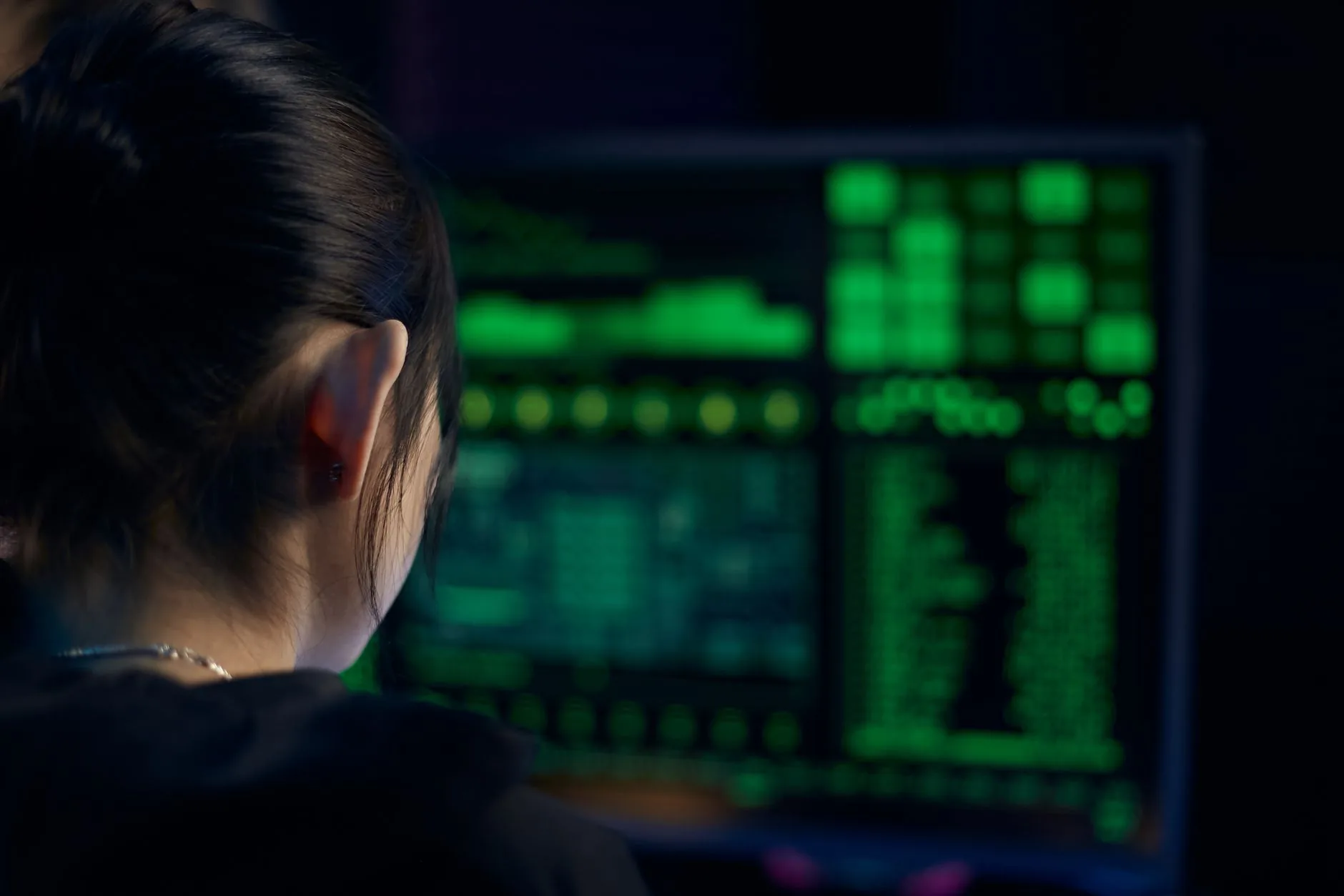
A função fundamental de qualquer SOC é o monitoramento contínuo. Os analistas ingerem dados de firewalls, plataformas de detecção em endpoints, sistemas de prevenção de intrusão, logs de DNS, telemetria de cargas de trabalho em nuvem e gateways de e-mail. Esse fluxo gera milhões de eventos por dia em empresas de médio porte, e o SOC deve analisar cada sinal sem perder a visibilidade sobre ameaças reais.
O monitoramento opera em regime 24/7, normalmente organizado em turnos rotativos. Os analistas de Nível 1 acompanham painéis ao vivo alimentados por uma plataforma de gestão de informações e eventos de segurança, ou SIEM, que correlaciona logs de fontes díspares em fluxos de alerta normalizados. O objetivo não é simplesmente coletar dados, mas manter o que os profissionais chamam de “consciência situacional” — uma compreensão em tempo real da postura de ameaças da organização.
As principais atividades de monitoramento incluem:
- Ingerir e analisar dados de log de dispositivos de rede, servidores, endpoints e aplicações SaaS
- Validar que todas as fontes de dados esperadas estão transmitindo ativamente e que não há lacunas de coleta
- Manter painéis que acompanham os volumes de alertas, as distribuições de gravidade e o tempo médio de reconhecimento
- Escalonar anomalias que fogem dos padrões de base para analistas de níveis superiores para uma investigação mais profunda
Sem um monitoramento rigoroso, a latência de detecção aumenta. Uma organização que leva horas para perceber um indicador de acesso inicial terá dificuldade para conter a movimentação lateral antes que ela alcance os ativos críticos. O monitoramento, portanto, não é uma atividade passiva; é um processo disciplinado e repetitivo que exige concentração sustentada e regras de detecção bem ajustadas.
Detecção e triagem de alertas
A detecção é o motor analítico que transforma a telemetria bruta em inteligência acionável. Os SOCs modernos combinam várias metodologias de detecção para equilibrar cobertura e precisão:
- A detecção baseada em assinaturas compara indicadores de comprometimento conhecidos com os fluxos de eventos recebidos. Rápida e confiável para ameaças conhecidas, não oferece proteção contra técnicas de ataque inéditas.
- A análise comportamental estabelece linhas de base para a atividade de usuários e entidades e, então, sinaliza desvios como horários de login incomuns, downloads excessivos de arquivos ou padrões de acesso geográfico inesperados.
- A inteligência de ameaças integrada correlaciona observações internas com feeds externos — incluindo indicadores publicados por comunidades de compartilhamento de informações e órgãos governamentais — para identificar campanhas direcionadas ao setor da organização.
- A detecção baseada em anomalias usa modelos estatísticos e, cada vez mais, aprendizado de máquina para revelar eventos que não se conformam aos padrões esperados, mesmo quando não existe uma regra explícita que os descreva.
A triagem de alertas vem após a detecção. Os analistas de Nível 1 avaliam a legitimidade, o contexto e a gravidade de cada alerta em minutos após sua geração. Eles classificam os alertas como verdadeiros positivos que exigem escalonamento, falsos positivos a serem documentados e usados para o refinamento de regras, ou verdadeiros positivos benignos que refletem atividade autorizada, porém incomum. Esse processo de triagem determina diretamente a rapidez com que os incidentes genuínos chegam à equipe de resposta.
A fadiga de alertas continua sendo um desafio operacional significativo. Os SOCs que toleram altas taxas de falsos positivos correm o risco de esgotar os analistas e de deixar passar alertas críticos enterrados no ruído. Ajustar as regras de detecção, suprimir gatilhos benignos conhecidos e enriquecer os alertas com dados contextuais de inventários de ativos e scanners de vulnerabilidades são contramedidas essenciais.
Operações de resposta a incidentes
Quando a triagem confirma uma ameaça genuína, o SOC passa para a resposta a incidentes. Essa função segue um ciclo de vida estruturado — normalmente alinhado ao framework da NIST Special Publication 800-61 — composto por preparação, detecção e análise, contenção, erradicação, recuperação e revisão pós-incidente.
Os analistas de Nível 2 e Nível 3 lideram os esforços de contenção. Eles isolam hosts comprometidos, bloqueiam endereços IP e domínios maliciosos no nível do firewall ou do proxy, revogam credenciais comprometidas e se coordenam com as operações de TI para reimagear os endpoints afetados. A velocidade é crítica: pesquisas mostram consistentemente que o custo de uma violação aumenta quanto mais tempo os adversários mantêm acesso ao ambiente.
Em paralelo à contenção, os analistas preservam as evidências forenses. Capturas de memória, imagens de disco e snapshots de logs devem ser coletados antes que a atividade de remediação sobrescreva os artefatos voláteis. Essas evidências apoiam a análise de causa raiz, possíveis processos judiciais e as notificações regulatórias exigidas por frameworks como GDPR, HIPAA ou PCI DSS.
A revisão pós-incidente, muitas vezes chamada de sessão de lições aprendidas, avalia o que deu errado, o que funcionou e onde permanecem lacunas de detecção ou resposta. As conclusões alimentam diretamente a criação de regras de monitoramento, as atualizações da lógica de detecção e os programas de treinamento da equipe.
Caça proativa a ameaças
Nem toda ameaça dispara alertas. Adversários sofisticados — grupos de ameaça persistente avançada, atacantes de cadeia de suprimentos e operadores living-off-the-land — frequentemente operam abaixo do limiar da detecção automatizada. A caça a ameaças aborda essa lacuna enviando analistas experientes para dentro dos dados em busca de evidências de comprometimento que as ferramentas existentes deixaram passar.
As missões de caça normalmente são orientadas por hipóteses. Um analista formula uma hipótese com base em relatórios de inteligência de ameaças — por exemplo, que um grupo adversário específico está usando assinaturas de eventos WMI para persistência no setor da organização — e então consulta a telemetria de endpoints, os logs de rede e os arquivos do SIEM para testá-la. Como alternativa, as caças podem ser orientadas por linha de base, examinando os dados em busca de padrões anômalos sem uma hipótese específica em mente.
A caça a ameaças opera em uma cadência recorrente, muitas vezes semanal ou quinzenal, e produz dois resultados: descobertas confirmadas que escalam para o pipeline de resposta a incidentes e novas regras de detecção que automatizam a caça por ocorrências futuras. Com o tempo, um programa de caça maduro comprime a janela durante a qual os adversários podem operar sem serem detectados no ambiente.
Conformidade e relatórios
Os SOCs operam dentro de frameworks regulatórios e contratuais que exigem evidências documentadas dos controles de segurança. As instituições financeiras devem demonstrar alinhamento com regulamentações como PCI DSS e SOX. As organizações de saúde respondem aos requisitos da HIPAA. Os órgãos governamentais seguem as diretrizes da FISMA e do NIST. Em todos os setores, clientes e parceiros exigem cada vez mais relatórios de atestação SOC 2 Type II como condição para fazer negócios.
As responsabilidades de conformidade dentro do SOC incluem:
- Manter logs de auditoria com armazenamento à prova de adulteração e períodos de retenção definidos
- Gerar evidências de monitoramento contínuo para exames regulatórios
- Documentar as ações de resposta a incidentes, as linhas do tempo e os resultados em formatos padronizados
- Acompanhar métricas como tempo médio de detecção, tempo médio de resposta e índices de alerta para fechamento para relatórios em nível executivo e de conselho
- Produzir relatórios periódicos que mapeiam as atividades do SOC para requisitos de controle específicos nos frameworks regulatórios aplicáveis
Os relatórios vão além da conformidade. Os gestores de SOC produzem resumos operacionais semanais e mensais para a liderança de segurança, abrangendo os volumes de alertas, as tendências de incidentes, a utilização do pessoal e o desempenho das ferramentas. Esses relatórios embasam as decisões de orçamento, os planos de contratação e os investimentos em tecnologia.
Estrutura da equipe de SOC
A maioria dos SOCs organiza seus analistas em níveis que refletem níveis crescentes de habilidade e responsabilidade:
| Função | Nível | Descrição |
|---|---|---|
| Monitoramento e triagem | Nível 1 | Monitoramento contínuo de painéis, avaliação inicial de alertas, enriquecimento básico e escalonamento de ameaças confirmadas para o Nível 2. |
| Investigação e análise | Nível 2 | Análise aprofundada de alertas escalonados, coleta de evidências forenses, coordenação da contenção e determinação da causa raiz. |
| Resposta avançada e caça | Nível 3 | Gestão de incidentes complexos, caça proativa a ameaças, engenharia de detecção e mentoria de analistas juniores. |
| Gestão do SOC | Liderança | Planejamento de turnos, gestão de desempenho, melhoria de processos, comunicação com as partes interessadas e supervisão do orçamento. |
| Inteligência de ameaças | Especialista | Curar feeds externos de ameaças, produzir relatórios de inteligência específicos do setor e realimentar os sistemas de detecção com indicadores táticos. |
| Engenharia de detecção | Especialista | Escrever e ajustar regras de correlação do SIEM, construir playbooks de automação e integrar novas fontes de dados ao pipeline de monitoramento. |
Além do modelo de analistas em níveis, os SOCs incorporam cada vez mais funções interfuncionais. Especialistas forenses cuidam da preservação de evidências e da análise avançada de malware. Engenheiros de automação constroem fluxos de orquestração usando plataformas de orquestração, automação e resposta de segurança. Analistas de inteligência de ameaças traduzem a inteligência geopolítica e específica do setor sobre adversários em conteúdo de detecção acionável.
Ferramentas e tecnologia
O stack tecnológico que sustenta as operações de SOC evoluiu consideravelmente. Um centro moderno normalmente implanta um SIEM ou uma plataforma de dados de segurança para agregação e correlação de logs, uma plataforma de detecção e resposta em endpoints para visibilidade em nível de host, uma ferramenta de detecção e resposta de rede para análise de tráfego e um sistema de gestão de vulnerabilidades para avaliação de risco dos ativos.
As plataformas de orquestração automatizam ações de resposta repetitivas — bloquear um indicador no firewall, isolar um endpoint ou enriquecer um alerta com dados de inteligência de ameaças — reduzindo o tempo médio de resposta e liberando os analistas para o trabalho investigativo que exige julgamento humano.
Os ambientes nativos de nuvem introduziram complexidade adicional. Os SOCs agora precisam monitorar cargas de trabalho na Amazon Web Services, na Microsoft Azure e no Google Cloud, cada uma com formatos de log e planos de controle distintos. Plataformas de orquestração de contêineres como o Kubernetes geram seus próprios fluxos de telemetria, que exigem capacidades especializadas de coleta e análise.
O desafio que todo SOC enfrenta é a integração. Ferramentas individuais geram valor isoladamente, mas seu pleno potencial só emerge quando compartilham contexto. Uma regra de detecção no SIEM que consulta automaticamente a plataforma de endpoint em busca de detalhes de processos, faz referência cruzada com a inteligência de ameaças e dispara um playbook de orquestração representa o tipo de fluxo de trabalho integrado que distingue uma operação madura de um conjunto de produtos desconectados.
Conclusão
Compreender as funções principais de um SOC — da triagem de alertas à resposta a incidentes e à recuperação — fornece a base para cada decisão operacional que se segue, seja ela sobre seleção de ferramentas, modelos de pessoal ou estratégia de terceirização. Cada função descrita neste artigo mapeia para categorias específicas de ferramentas e estruturas de equipe detalhadas em outras partes deste site, incluindo a análise das ferramentas essenciais de SOC e o guia da função de analista de SOC.
Fontes
- NIST Special Publication 800-61 Rev. 2, Computer Security Incident Handling Guide — csrc.nist.gov/publications/detail/sp/800-61/rev-2/final
- MITRE ATT&CK Framework — attack.mitre.org
- SANS Institute, SOC Resources — sans.org/cyber-security-courses
- CISA Cybersecurity Best Practices — cisa.gov/topics/cybersecurity-best-practices