Arquitetura e Operações de SOC
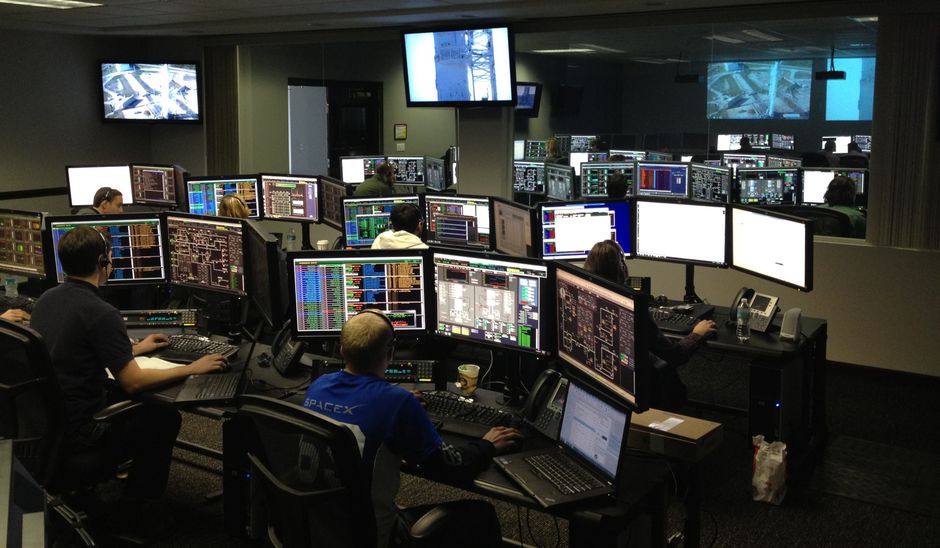
Um cyber security operations center funciona como o núcleo centralizado onde analistas detectam, investigam e neutralizam ameaças em tempo real. Combinando uma equipe estruturada em níveis, correlação de SIEM, playbooks de resposta automatizada e integração de threat intelligence, ele protege os ativos corporativos contra adversários estatais e criminosos 24 horas por dia.
Por Que os SOCs Existem Hoje
O cenário moderno de ameaças foi muito além dos vírus oportunistas e das campanhas de pichação digital. Atores estatais, sindicatos criminosos organizados e ameaças internas agora visam redes corporativas com precisão, paciência e um significativo respaldo financeiro. Um cyber security operations center existe porque as defesas de perímetro sozinhas já não bastam; as organizações precisam de vigilância interna contínua, da correlação de sinais entre dezenas de fontes de dados e da capacidade de agir sobre ameaças em minutos, e não em dias.
De acordo com o relatório anual Cost of a Data Breach da IBM, o tempo médio para identificar e conter uma violação permanece bem acima de 200 dias. Os SOCs são construídos para reduzir drasticamente essa janela. Eles fornecem as pessoas, os processos e a tecnologia necessários para sair do combate reativo a incêndios e passar para a gestão proativa de ameaças, oferecendo aos executivos visibilidade sobre a postura de risco organizacional quase em tempo real.
Componentes Centrais da Arquitetura
A arquitetura de um cyber security operations center não é um único produto ou appliance. É um ecossistema integrado de capacidades de coleta, análise e resposta de dados, cada uma alimentando a seguinte. A tabela abaixo descreve os principais componentes e suas funções dentro de um SOC de nível de produção.
| Componente | Função | Exemplos |
| SIEM (Security Information and Event Management) | Agrega e correlaciona dados de log de endpoints, dispositivos de rede e aplicações para gerar alertas acionáveis | Splunk Enterprise Security, Microsoft Sentinel, IBM QRadar |
| EDR / XDR (Endpoint / Extended Detection and Response) | Fornece visibilidade profunda sobre a atividade dos endpoints, incluindo execução de processos, alterações de arquivos e anomalias comportamentais | CrowdStrike Falcon, SentinelOne, Microsoft Defender for Endpoint |
| SOAR (Security Orchestration, Automation, and Response) | Automatiza fluxos repetitivos de investigação e resposta, reduzindo o trabalho manual dos analistas e o tempo médio de resposta | Palo Alto XSOAR, Splunk SOAR, Tines |
| Threat Intelligence Platform (TIP) | Ingere, organiza e dissemina indicadores de comprometimento e perfis de adversários a partir de fontes abertas e comerciais | Recorded Future, Anomali ThreatStream, MISP |
| Network Detection and Response (NDR) | Monitora os metadados do tráfego de rede e capturas completas de pacotes para identificar movimentação lateral, exfiltração e comunicação de command-and-control | Darktrace, Vectra AI, ExtraHop |
| Scanner de Gestão de Vulnerabilidades | Enumera e avalia continuamente os ativos expostos em busca de vulnerabilidades conhecidas, priorizando a remediação por explorabilidade e impacto no negócio | Tenable Nessus, Qualys VMDR, Rapid7 InsightVM |
| Sistema de Gestão de Casos | Acompanha incidentes desde a detecção inicial até a investigação, contenção e encerramento, fornecendo trilhas de auditoria e métricas | TheHive, ServiceNow SecOps, Jira Service Management |
| Agregação e Retenção de Logs | Coleta a telemetria bruta de todas as fontes, preservando-a para conformidade, investigação forense e análise histórica | Elastic Stack, Graylog, Apache Flume |
Nenhum fornecedor único entrega todas essas capacidades em nível de excelência. SOCs maduros normalmente integram múltiplas ferramentas por meio de APIs e pipelines de dados, normalizando os logs em um schema comum antes de encaminhá-los ao SIEM para correlação. O esforço de engenharia necessário para manter essas integrações é substancial e frequentemente subestimado durante o orçamento inicial.
Estrutura e Funções da Equipe
A arquitetura humana de um cyber security operations center segue um modelo de escalonamento em níveis, projetado para separar a triagem de alto volume da investigação aprofundada.
- Analistas de Tier 1 monitoram as filas de alertas em tempo real, realizando a triagem inicial para distinguir verdadeiros positivos de falsos alarmes. Eles consultam runbooks e procedimentos documentados para classificar a severidade do alerta e escalonar quando justificável.
- Analistas de Tier 2 recebem os alertas escalonados e conduzem investigações mais profundas, correlacionando múltiplas fontes de dados, consultando a telemetria de endpoints e construindo uma narrativa factual em torno do suposto incidente.
- Analistas de Tier 3 e threat hunters atuam no mais alto nível de profundidade técnica. Eles procuram proativamente por ameaças que escaparam da detecção automatizada, desenvolvem nova lógica de detecção e elaboram relatórios de threat intelligence para a liderança.
- Engenheiros de SOC mantêm a stack tecnológica, ajustam regras de detecção, gerenciam o onboarding de logs e constroem playbooks de automação. O trabalho deles sustenta cada alerta que a equipe de operações vê.
- O gerente do SOC supervisiona a equipe, a escala de turnos, as métricas de desempenho e a comunicação com a liderança executiva. Ele traduz dados operacionais em narrativas de risco para o CISO e o conselho.
Em modelos distribuídos ou follow-the-sun, um único SOC global pode operar em dois ou três sites geográficos, transferindo as responsabilidades de monitoramento conforme o horário comercial muda. Esse arranjo exige procedimentos padronizados, ferramentas compartilhadas e documentação disciplinada para manter a consistência entre os turnos.
Fluxo de Trabalho das Operações Diárias
Um dia típico dentro de um cyber security operations center gira em torno de um ciclo contínuo de monitoramento, triagem, investigação e resposta. Os analistas começam o turno revisando as notas de passagem da noite, verificando o resumo atual de threat intelligence e examinando o dashboard do SIEM em busca de incidentes ativos ou em escalonamento.
Os alertas chegam de dezenas de fontes upstream: logs de firewall, telemetria de endpoints, detecções de gateway de e-mail, sistemas de gestão de identidade e acesso, monitores de cargas de trabalho em nuvem e muito mais. O SIEM e o pipeline de engenharia de detecção aplicam regras de correlação, baselines estatísticas e modelos de machine learning para reduzir essa enxurrada a uma fila gerenciável de alertas priorizados.
- Monitoramento e ingestão de alertas: Os analistas de Tier 1 revisam os alertas recebidos, verificando padrões conhecidos de falsos positivos e validando se o contexto do alerta está completo.
- Triagem e classificação inicial: Cada alerta é classificado por severidade, categoria de ameaça e criticidade do ativo afetado. Alertas de baixa confiança podem ser encerrados com documentação; alertas de maior confiança seguem para investigação.
- Investigação aprofundada: Os analistas de Tier 2 obtêm contexto adicional de plataformas de EDR, NDR e threat intelligence. Eles reconstroem a cadeia de ataque, identificam o escopo do comprometimento e determinam se a contenção ativa é necessária.
- Contenção e remediação: Incidentes validados disparam ações de contenção pré-aprovadas, que podem incluir isolamento de host, suspensão de conta, alterações de regras de firewall ou redefinição de credenciais. Essas ações são frequentemente executadas por meio de playbooks de SOAR para reduzir o tempo de resposta.
- Documentação e passagem de turno: Toda ação é registrada no sistema de gestão de casos. As reuniões de fim de turno garantem que os analistas que estão entrando entendam o estado atual de todos os incidentes em aberto.
Tarefas recorrentes, como revisões de relatórios de vulnerabilidade, sessões de ajuste de regras de detecção e sprints de threat hunting, ocorrem em paralelo ao monitoramento contínuo. Revisões operacionais semanais reúnem analistas, engenheiros e gestão para avaliar o tempo médio de detecção, o tempo médio de resposta e as tendências do volume de alertas.
Integração com a Resposta a Incidentes
A resposta a incidentes é a disciplina que entra em ação quando um cyber security operations center confirma um evento de segurança genuíno. O ciclo de resposta segue um framework estabelecido, normalmente alinhado ao NIST Computer Security Incident Handling Guide (SP 800-61), que define quatro fases: preparação, detecção e análise, contenção/erradicação/recuperação e atividade pós-incidente.
Durante incidentes ativos, o SOC se torna o centro de coordenação. Os analistas fornecem consciência situacional em tempo real ao incident commander, que dirige equipes multifuncionais abrangendo operações de TI, assessoria jurídica, relações públicas e liderança executiva. O sistema de gestão de casos do SOC serve como a única fonte de verdade para todas as descobertas investigativas e ações de resposta.
Após o incidente, o SOC contribui fortemente para o processo de lições aprendidas. Os analistas documentam lacunas de detecção, indicadores não percebidos e falhas de procedimento. Essas descobertas alimentam diretamente a engenharia de detecção, onde novas regras e playbooks são desenvolvidos para fechar as lacunas identificadas. É esse ciclo de feedback que separa os SOCs em amadurecimento daqueles que simplesmente repetem os mesmos erros.
Critérios de Seleção de Tecnologia
Escolher a stack tecnológica de um cyber security operations center envolve navegar por um mercado de fornecedores lotado, onde as alegações de marketing frequentemente superam a capacidade real. Profissionais recomendam de forma consistente avaliar as ferramentas com base em requisitos operacionais, e não em listas de funcionalidades.
Os principais critérios de seleção incluem:
- Escalabilidade de ingestão de logs: O SIEM deve lidar com picos de volume de logs sem descartar eventos ou degradar o desempenho das consultas. Organizações que processam terabytes de telemetria diária exigem arquiteturas distribuídas, e não appliances monolíticos.
- Eficácia de detecção: As regras de detecção prontas de fábrica fornecem um ponto de partida, mas cada ambiente gera padrões de ruído únicos. A plataforma deve suportar o desenvolvimento de regras customizadas, baselines estatísticas e integração de threat intelligence de terceiros.
- Maturidade de automação: As capacidades de SOAR devem reduzir o trabalho manual dos analistas em tipos de alerta bem compreendidos, sem criar automações frágeis que quebram quando o comportamento do adversário muda, mesmo que ligeiramente.
- Amplitude de integração: A capacidade de ingerir logs de provedores de nuvem (AWS, Azure, GCP), aplicações SaaS, plataformas de identidade e sistemas legados on-premises determina se o SOC alcança visibilidade total ou opera com pontos cegos perigosos.
- Custo total de propriedade: Modelos de licenciamento que cobram por gigabyte de dados ingeridos podem incentivar a filtragem de logs que mina a visibilidade. Organizações com visão de futuro estão avaliando alternativas de custo previsível, incluindo stacks de SIEM open-source self-hosted.
Implantações de prova de conceito com duração de quatro a seis semanas, conduzidas contra volumes de alertas de produção, e não contra dados de teste sintéticos, fornecem o sinal mais confiável para as decisões de compra.
Medindo o Desempenho do SOC
As métricas operacionais transformam o trabalho qualitativo de um cyber security operations center em indicadores de desempenho quantificáveis que a liderança pode acompanhar ao longo do tempo. As métricas mais amplamente adotadas incluem:
- Mean Time to Detect (MTTD): O tempo médio decorrido entre a ocorrência de um evento de segurança e sua detecção pelo SOC. Um MTTD mais baixo reflete melhor cobertura e ajuste de detecção.
- Mean Time to Respond (MTTR): O tempo médio da detecção até a ação inicial de contenção. A automação de SOAR e os playbooks de resposta pré-aprovados normalmente impulsionam reduções no MTTR.
- Razão alerta-para-incidente: A proporção de alertas brutos que se transformam em incidentes confirmados. Uma razão extremamente baixa sugere excesso de alertas e fadiga de alertas; uma razão extremamente alta sugere subinvestimento na lógica de detecção.
- Taxa de falsos positivos: O percentual de alertas encerrados considerados benignos. Taxas de falsos positivos altas e sustentadas degradam o moral dos analistas e aumentam o risco de verdadeiros positivos passarem despercebidos.
- Tempo para concluir investigações: Mede quanto tempo os analistas de Tier 2 gastam em alertas escalonados, da atribuição até o encerramento, refletindo tanto a eficácia das ferramentas quanto a expertise do analista.
Uma liderança de SOC eficaz acompanha essas métricas entre as equipes de turno para identificar lacunas de treinamento, gargalos de ferramentas e falhas de processo. Benchmarks publicados por grupos do setor, como o SANS Institute, fornecem pontos de comparação úteis, embora a comparação direta entre organizações exija uma normalização cuidadosa para a complexidade do ambiente e o volume de alertas.
Fontes e Leitura Adicional
- NIST Special Publication 800-61 Revision 2: Computer Security Incident Handling Guide — A referência fundamental para o design do processo de resposta a incidentes usada por SOCs em todo o mundo.
- MITRE ATT&CK Framework — Uma base de conhecimento reconhecida globalmente sobre táticas, técnicas e procedimentos de adversários, que as equipes de SOC usam para desenvolver detecções, estruturar o threat hunting e comunicar descobertas.
- SANS Institute: Building a World-Class Security Operations Center — Um white paper aprofundado que abrange princípios de design de SOC, modelos de equipe, frameworks de maturidade e orientação para seleção de tecnologia.
- CISA SOC Reference Model — A arquitetura de referência publicamente disponível da Cybersecurity and Infrastructure Security Agency dos EUA para SOCs governamentais e de infraestrutura crítica.