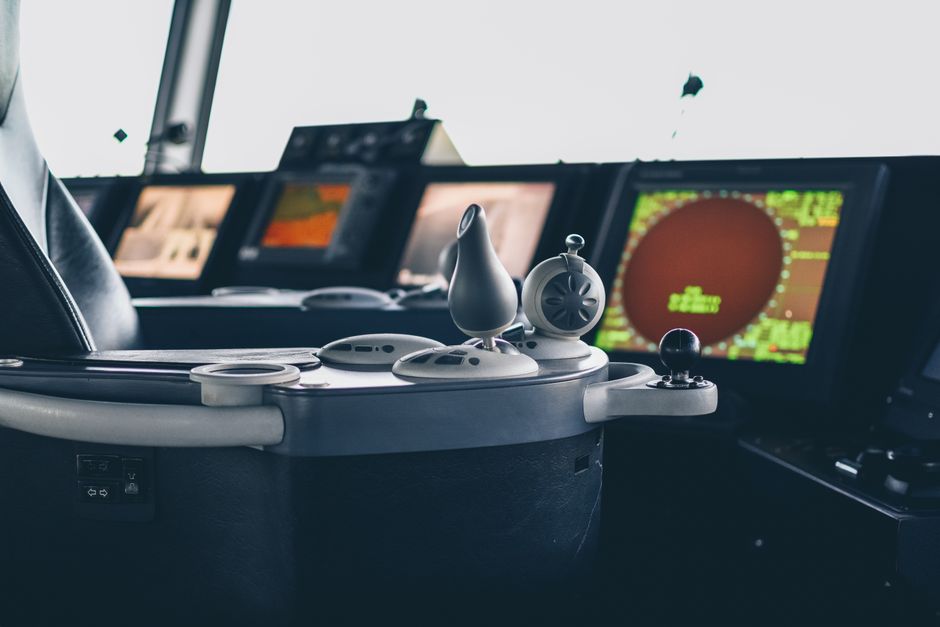
Por Dentro do Comando de Segurança Marítima do Jaxport
O centro de operações de segurança do Jaxport, em Jacksonville, coordena vigilância, controle de acesso e resposta a emergências em três terminais de carga que movimentam quase 1,4 milhão de unidades de contêineres por ano. O Public Safety Operations Center integra feeds de câmeras, o programa de credenciamento TWIC e mais de uma dezena de agências parceiras federais e estaduais 24 horas por dia para proteger o porto de contêineres mais movimentado da Flórida.
O Porto Que Precisava de um SOC
A governança moderna do porto de Jacksonville remonta a 1963, quando a Assembleia Legislativa da Flórida instituiu a Jacksonville Port Authority para substituir o Departamento de Docas e Terminais da cidade. A autoridade foi concebida para operar como uma empresa, mantendo poderes governamentais, incluindo a capacidade de emitir títulos e gerenciar a infraestrutura à beira-mar de propriedade pública. No início dos anos 2000, o Jaxport havia se tornado o principal porto de contêineres da Flórida em volume e uma das instalações de manuseio de veículos mais movimentadas do país, movimentando carros, contêineres, carga breakbulk e remessas militares pelo canal do rio St. Johns.
Esse crescimento trouxe risco. Os três terminais de carga do porto — Blount Island, Dames Point e Talleyrand — situam-se ao longo de quilômetros de orla fluvial em uma área urbana densa, ladeados por bairros residenciais, pátios ferroviários e sítios industriais. Cada terminal tem geografia, perfis de carga e requisitos de segurança distintos. Blount Island lida com carga conteinerizada e automóveis. Dames Point, a maior instalação, processa contêineres e veículos roll-on, roll-off. Talleyrand lida com breakbulk, produtos florestais e carga geral. Juntos, representam uma extensa pegada física que nenhuma força de patrulha isolada poderia monitorar adequadamente sem tecnologia de comando centralizado.
Pressões Regulatórias Pós-11 de Setembro
A aprovação, em novembro de 2002, do Maritime Transportation Security Act remodelou a segurança portuária em todos os Estados Unidos, e Jacksonville não foi exceção. A MTSA exigiu que toda instalação portuária regulada conduzisse avaliações de vulnerabilidade, desenvolvesse planos de segurança da instalação e implementasse controles de acesso em camadas, incluindo equipamentos de vigilância, áreas restritas e procedimentos de identificação de pessoal. As disposições completas da lei entraram em vigor em 1º de julho de 2004, dando aos portos cerca de 18 meses para se adequarem.
Para o Jaxport, a conformidade significou construir uma estrutura organizacional capaz de sustentar operações de segurança em um padrão muito além do que o ambiente pré-2001 exigia. A autoridade teve que desenvolver um Facility Security Plan para cada terminal, designar um Facility Security Officer, estabelecer sistemas de credenciamento e criar um centro de operações capaz de monitorar todo o complexo portuário em tempo real. Subvenções federais do Port Security Grant Program do Department of Homeland Security, administradas pela FEMA, tornaram-se o principal mecanismo de financiamento para investimentos de capital em câmeras, cercas, radar e infraestrutura de comando e controle.
Construindo o Centro de Operações
O Department of Public Safety do Jaxport estabeleceu seu Public Safety Operations Center como o ponto nevrálgico de toda a atividade de segurança em toda a propriedade do porto. O centro opera 24 horas por dia, sete dias por semana, atendendo chamadas em sua linha direta dedicada a atividades suspeitas, no número (904) 357-3360, e coordenando respostas com os agentes de segurança no local e o pessoal de folga do Jacksonville Sheriff’s Office. Desde outubro de 2011, apenas os agentes de segurança do Jaxport e os deputados juramentados do xerife atendem chamadas de serviço em propriedade do porto.
A stack de tecnologia do centro de operações integra várias camadas. Câmeras de circuito fechado de televisão monitoram os perímetros dos terminais, os complexos de portões, os berços e as áreas restritas. Leitores de controle de acesso vinculados ao sistema TWIC rastreiam todo trabalhador credenciado que entra e sai das zonas seguras. Um sistema automatizado de credenciamento emite as Jaxport Business Purpose Credentials — um crachá suplementar separado do TWIC federal — a fornecedores, empreiteiros e motoristas comerciais que necessitam de acesso regular. O Access Control Center, realocado em março de 2026 para uma instalação dedicada na 1830 E. 21st Street, processa todas as solicitações de credencial e gerencia os serviços de escolta TWIC para visitantes não credenciados.
A infraestrutura de vigilância e monitoramento foi desenvolvida de forma incremental, com cada fase financiada por uma combinação de receita operacional do porto e subvenções federais de segurança portuária. O Jaxport não usa dinheiro de impostos para operações — a autoridade não tem poder de tributar —, de modo que os projetos de segurança de capital dependem fortemente dos ciclos de subvenção da FEMA e de fundos estaduais de contrapartida. As solicitações de subvenção publicadas pelo porto mostram investimentos em fortalecimento de perímetro, sistemas de câmeras e plataformas integradas de comando ao longo de múltiplos anos fiscais.
O Modelo de Parceria entre Agências
Nenhuma entidade isolada protege um porto do tamanho de Jacksonville. A arquitetura de segurança do Jaxport depende de um modelo de parceria que reúne mais de uma dezena de agências de diferentes jurisdições. A lista de parceiros, divulgada no site do Jaxport, inclui o Jacksonville Sheriff’s Office, o Jacksonville Fire and Rescue Department, a United States Coast Guard Sector Jacksonville, a U.S. Customs and Border Protection, o Florida Department of Law Enforcement, a Florida Highway Patrol, a Florida Fish and Wildlife Conservation Commission, a Florida Division of Emergency Management, a Transportation Security Administration, o Jacksonville Marine Transportation Exchange e a Jacksonville Emergency Preparedness Division.
A Coast Guard define os níveis de Maritime Security (MARSEC) que ditam a postura operacional de toda instalação regulada. O Public Safety Department do Jaxport conduz aulas de treinamento MARSEC para todo o pessoal da instalação, cobrindo as disposições do plano de segurança da instalação, o reconhecimento de ameaças, indicadores comportamentais, técnicas usadas para burlar a segurança e os requisitos de escolta TWIC. O programa de treinamento garante que todo trabalhador na propriedade do porto — de estivadores a caminhoneiros e operadores de terminal — saiba reconhecer e relatar atividade suspeita ao centro de operações.
O Area Maritime Security Committee, exigido pela MTSA para cada região portuária, serve como o órgão coordenador onde todas essas agências compartilham inteligência, planejam exercícios e alinham seus protocolos de resposta. Em Jacksonville, esse comitê faz a ponte entre o arcabouço federal de segurança e o aparato local de aplicação da lei e gestão de emergências.
Tempo, Guerra e Materiais Perigosos
A posição de Jacksonville na costa nordeste da Flórida a coloca diretamente em território de furacões. O Public Safety Department do Jaxport mantém planos abrangentes de gestão de emergências cobrindo furacões, enchentes e incidentes com materiais perigosos. O centro de operações coordena diretamente com a City of Jacksonville Emergency Preparedness Division e a Florida Division of Emergency Management durante eventos de tempestade.
Quando um furacão ameaça, o Sector Jacksonville da Coast Guard ativa um sistema de alerta em fases. Na Condition Whiskey — definida quando se esperam ventos sustentados de força de vendaval dentro de 72 horas — todos os inquilinos do porto devem concluir as avaliações de infraestrutura pré-tempestade e submetê-las tanto à Coast Guard quanto ao comando de incidentes do Jaxport. Depois que a tempestade passa e a Condition Zulu é suspensa, os inquilinos concluem as vistorias de danos pós-tempestade antes que as operações possam ser retomadas. O centro de operações serve como o ponto de coleta de todos os formulários de avaliação, coordenando entre a Coast Guard, os operadores de terminal e o Army Corps of Engineers.
Além dos desastres naturais, o porto lida com carga militar e remessas de gás natural liquefeito, ambos com requisitos elevados de segurança. Os navios porta-contêineres movidos a LNG da TOTE Maritime, operando entre Jacksonville e San Juan, e o navio transportador de veículos Siem Confucius — o primeiro grande transportador de carros movido a LNG do mundo — atracam regularmente nos terminais do Jaxport, exigindo monitoramento de segurança especializado por meio do centro de operações.
Lições de Duas Décadas
Duas décadas operando um centro de operações de segurança marítima produziram um conjunto de práticas que outros portos e planejadores de GSOC podem estudar. Primeiro, o modelo de credenciamento em camadas — combinando o TWIC federal com a própria Business Purpose Credential do Jaxport e um programa pago de escolta TWIC para visitantes — cria múltiplos pontos de verificação sem sufocar o fluxo de carga. As taxas de escolta são estruturadas para incentivar o credenciamento: uma escolta em dia útil para um veículo particular custa US$ 85, enquanto as escoltas fora do horário e nos fins de semana sobem para US$ 250, tornando o credenciamento regular a escolha econômica para visitantes frequentes.
Segundo, a integração de safety e security sob um único Public Safety Department elimina o atrito jurisdicional que assola portos onde organizações separadas cuidam de cada função. O Safety Manual do Jaxport, alinhado aos padrões da OSHA, é aplicado pelo mesmo departamento que opera o centro de operações e gerencia o programa TWIC. O Safety Committee de todo o porto, composto por profissionais de segurança do Jaxport e de seus inquilinos, reúne-se regularmente para atualizar políticas e compartilhar dados de incidentes.
Terceiro, a dependência de subvenções federais para o investimento em segurança de capital cria tanto oportunidade quanto vulnerabilidade. Quando os ciclos de subvenção se alinham às necessidades estratégicas, o Jaxport pode financiar grandes atualizações de câmeras e controle de acesso. Quando não, o porto precisa adiar projetos ou encontrar financiamento alternativo na receita operacional, que também é necessária para a construção de berços, a aquisição de guindastes e o aprofundamento do porto.
Marcos na Segurança do Jaxport
| Ano | Marco |
|---|---|
| 1963 | A Assembleia Legislativa da Flórida cria a Jacksonville Port Authority |
| 2001 | Port Authority reestruturada; aviação e porto marítimo divididos em entidades separadas |
| 2002 | Maritime Transportation Security Act sancionado como lei federal |
| 2004 | Início da aplicação plena da MTSA; Facility Security Plans do Jaxport ativados |
| 2009 | O TraPac Container Terminal abre em Dames Point com sistemas de segurança integrados |
| 2011 | Canal do porto aprofundado para 40 pés; jurisdição de segurança esclarecida (apenas agentes do JSO e do Jaxport) |
| 2015 | Primeiro porta-contêineres movido a LNG atraca no Jaxport; protocolos de monitoramento de materiais perigosos expandidos |
| 2016 | O Intermodal Container Transfer Facility abre em Dames Point; novos guindastes de 100 gauge entregues |
| 2018 | Início do Jacksonville Harbor Deepening Project; segurança de perímetro aprimorada durante a construção |
| 2022 | Aprofundamento do porto para 47 pés concluído; programa de melhoria de berços de US$ 100 milhões finalizado em Blount Island |
| 2023 | Navio de contêineres recordista (14.000 TEU ONE STORK) atraca; vigilância dimensionada para navios maiores |
| 2025 | AF2025: o porto movimenta quase 1,4 milhão de TEUs e 506.000 unidades de veículos |
| 2026 | Access Control Center realocado para instalação dedicada na 1830 E. 21st Street |