O que realmente é um GSOC
Um centro de operações de segurança global é uma instalação de comando centralizada que consolida o monitoramento de segurança física, a detecção de ameaças cibernéticas e a gestão de riscos corporativos em vários países e fusos horários em um único hub, operado continuamente. Diferentemente das configurações tradicionais, que tratam de um único domínio ou região, um GSOC oferece às organizações multinacionais visibilidade unificada sobre incidentes que atravessam fronteiras, redes e ambientes operacionais.
Das telas locais ao alcance global
O conceito de SOC surgiu no setor de tecnologia da informação no fim da década de 1990, quando os administradores de rede precisavam de um espaço dedicado para monitorar firewalls e sistemas de detecção de intrusão. Ao longo da década seguinte, grandes empresas começaram a combinar o monitoramento de segurança de TI com o controle de acesso físico e os feeds de CCTV, lançando as bases para o que viria a ser chamado de GSOC. Os ataques de setembro de 2001 aceleraram o investimento em infraestrutura de segurança corporativa e, em meados dos anos 2000, empresas como a Microsoft e o Google já haviam estabelecido centros de comando multicontinentais com equipes operando 24 horas por dia.
Hoje, um GSOC normalmente integra dados de sistemas de controle de acesso, videovigilância, plataformas de risco de viagem, feeds de inteligência de fontes abertas, provedores de inteligência de ameaças cibernéticas e serviços de risco meteorológico ou geopolítico. Os analistas que trabalham nesses centros acompanham desde uma tentativa de roubo de credenciais em uma rede corporativa em Singapura até a agitação civil perto de uma instalação da empresa em Lagos, muitas vezes no mesmo turno.
Dentro do piso de operações
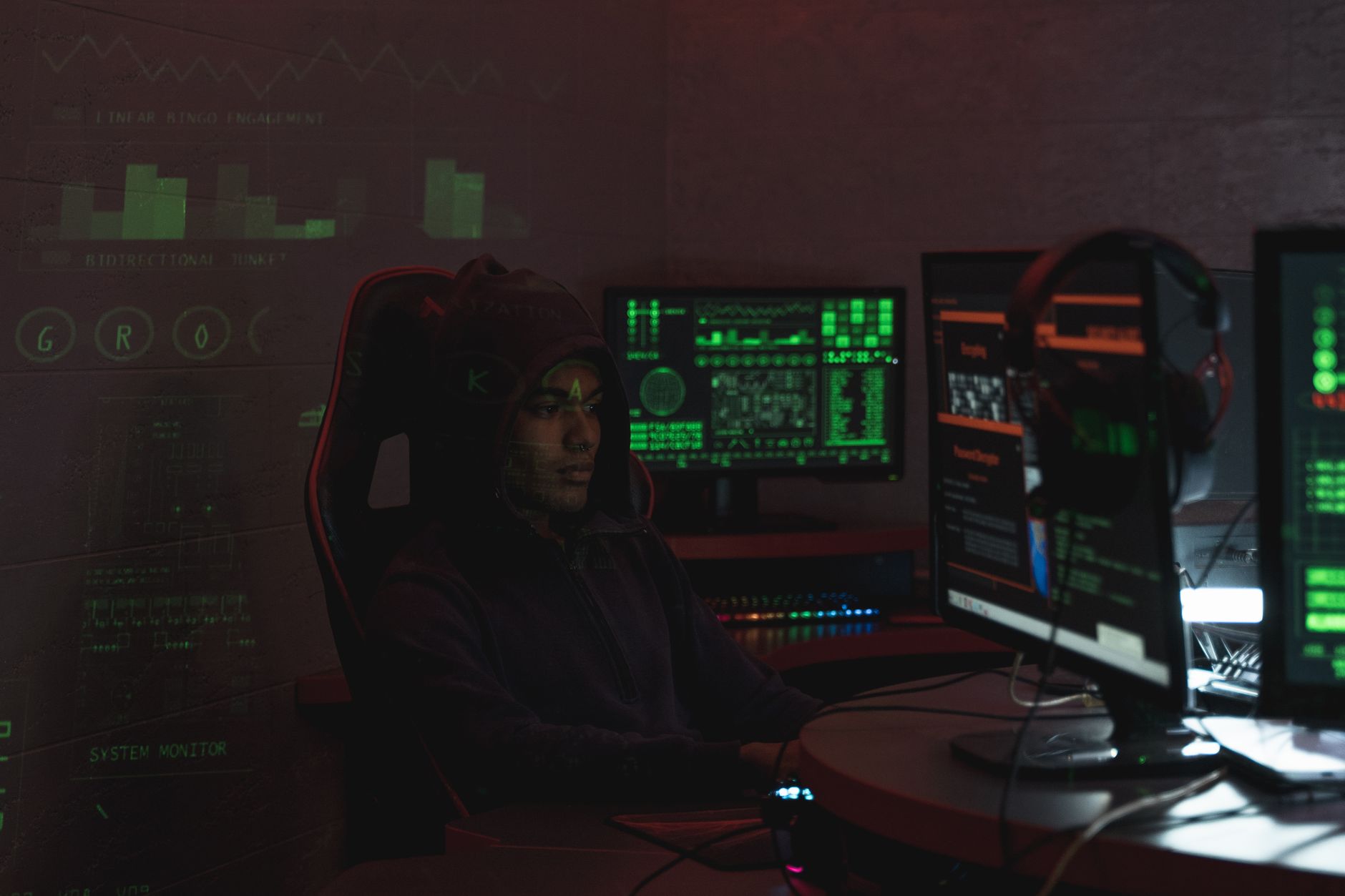
O piso de um GSOC moderno se assemelha a um híbrido entre uma redação de jornal e um centro de operações de rede. Grandes paredes de vídeo exibem mapas em tempo real que plotam a localização dos funcionários, os alertas de segurança ativos e as imagens ao vivo de câmeras de dezenas de sites. Os analistas ficam em estações de trabalho com múltiplos monitores executando softwares de gestão de informações e eventos de segurança ao lado de painéis de gestão predial e ferramentas de comunicação de crise.
Os modelos de dimensionamento de equipe variam, mas a maioria dos GSOCs opera em um modelo follow-the-sun, no qual a responsabilidade é repassada entre hubs regionais — por exemplo, de Londres para Singapura e para Redmond — de modo que nenhuma equipe isolada carregue todo o fardo da madrugada. Organizações menores que não conseguem justificar múltiplos hubs podem operar um único centro 24/7 complementado por gerentes de segurança regionais de plantão.
Os componentes tecnológicos comuns incluem:
- Plataformas de Security Information and Event Management que agregam logs de firewalls, endpoints e serviços de nuvem
- Sistemas de gestão de informações de segurança física que extraem dados de leitores de crachá, câmeras e painéis de alarme
- Aplicações de rastreamento de viagens e de dever de cuidado que plotam a localização dos funcionários em relação a zonas de ameaça
- Ferramentas de inteligência de fontes abertas que vasculham feeds de notícias, redes sociais e fontes da dark web em busca de riscos emergentes
- Plataformas integradas de gestão de crises que disparam notificações automatizadas e fluxos de escalonamento
Implantações reais em larga escala
Microsoft opera um dos programas de GSOC mais bem documentados do setor de tecnologia. Seu Global SOC, sediado em Redmond, Washington, monitora a segurança física e lógica em mais de 200 escritórios em dezenas de países. O centro integra milhares de câmeras, pontos de controle de acesso e fluxos de telemetria cibernética, e foi descrito em publicações da ASIS International como uma referência em operações de segurança convergentes.
Google mantém capacidades globais de comando de segurança para proteger seus data centers, escritórios e funcionários em todo o mundo. A infraestrutura de segurança da empresa combina defesas físicas de perímetro em seus campi com um sofisticado monitoramento cibernético que alimenta seus programas de inteligência de ameaças.
Entre as grandes companhias aéreas, a Delta Air Lines e a United Airlines investiram em instalações no estilo GSOC que acompanham simultaneamente as operações de voo, a segurança das tripulações e a postura de cibersegurança. Quando uma nuvem de cinzas vulcânicas fecha o espaço aéreo europeu ou um incidente cibernético afeta os sistemas de reservas, esses centros se tornam o ponto de coordenação para decisões que afetam milhares de passageiros e funcionários.
No setor financeiro, instituições como o JPMorgan Chase e o Goldman Sachs operam centros de segurança convergentes que monitoram o acesso ao pregão, a segurança das agências e o fluxo incessante de ameaças cibernéticas direcionadas à infraestrutura bancária.
GSOC, SOC e JSOC comparados
O setor de segurança usa vários acrônimos que se sobrepõem, e as distinções importam para as organizações que decidem de que nível de operações precisam. Um SOC padrão foca estritamente na cibersegurança — monitorando o tráfego de rede, analisando malware e respondendo a violações de dados. Um GSOC amplia esse mandato para incluir segurança física, investigações corporativas, proteção de executivos, risco de viagens e, às vezes, coordenação de continuidade de negócios em escala global. Um JSOC, ou SOC conjunto, normalmente se refere a uma instalação multiagência ou multilocatário em que várias organizações — às vezes concorrentes — compartilham inteligência de ameaças e dados de consciência situacional mantendo autoridade de comando independente.
| Dimensão | GSOC | SOC | JSOC |
|---|---|---|---|
| Escopo principal | Físico + cibernético + risco corporativo, global | Apenas cibersegurança, geralmente uma única região | Compartilhamento de inteligência multiagência |
| Cobertura geográfica | Multicontinental, follow-the-sun | Site único ou regional | Varia; normalmente nacional ou setorial |
| Tipos de incidentes tratados | Violações de dados, violência no local de trabalho, interrupções de viagens, eventos geopolíticos, desastres naturais | Malware, phishing, acesso não autorizado, violações de políticas | Ameaças compartilhadas, resposta coordenada, incidentes transfronteiriços |
| Modelo de equipe | Analistas multidisciplinares, em múltiplos turnos 24/7 | Analistas de cibersegurança 24/7, escalonamento em níveis | Representantes integrados de cada organização participante |
| Operadores típicos | Grandes multinacionais, companhias aéreas, gigantes de tecnologia, bancos | A maioria das empresas de médio a grande porte, MSSPs | Consórcios governamentais, ISACs setoriais, coalizões de infraestrutura crítica |
| Fontes de dados integradas | SIEM, PSIM, OSINT, rastreamento de viagens, clima, feeds geopolíticos | SIEM, EDR, plataformas de inteligência de ameaças | Feeds combinados das agências participantes, classificados e de fonte aberta |
| Autoridade de comando | Organização única, centralizada | Organização única, departamento de TI ou de segurança | Governança compartilhada, execução independente |
O imperativo da convergência
Durante anos, as equipes de segurança corporativa e as de segurança de TI operaram em silos separados, cada uma com seu próprio orçamento, ferramentas e cadeia de reporte. Essa separação criou pontos cegos perigosos. Um funcionário demitido cujo crachá foi desativado ainda poderia manter credenciais de VPN válidas. Um e-mail de phishing que compromete o notebook de um executivo poderia ser o prelúdio de uma invasão física em uma fábrica. Um protesto perto de um escritório da empresa poderia gerar comentários nas redes sociais que os analistas de cibersegurança nunca veriam se a equipe de segurança física não os compartilhasse.
Os GSOCs existem para eliminar essas lacunas. Ao reunir analistas cibernéticos e físicos no mesmo piso — ou ao menos no mesmo framework de compartilhamento de informações — as organizações reduzem o tempo entre a primeira detecção e a resposta coordenada. Estudos publicados pela ASIS International e pela Information Systems Security Association constataram consistentemente que organizações com programas de segurança convergentes detectam incidentes mais rápido e os contêm a um custo menor do que aquelas que mantêm operações paralelas, porém desconectadas.
A tendência de convergência se acelerou à medida que a computação em nuvem e o trabalho remoto dissolveram a antiga suposição de que as ameaças poderiam ser nitidamente classificadas como “físicas” ou “cibernéticas”. Um ataque de ransomware que desativa os sistemas de controle de acesso de um edifício é ambos. Uma intrusão de Estado-nação que tem como alvo um executivo em viagem ao exterior é ambos. Os GSOCs são a resposta organizacional a essa realidade.
Construir versus contratar
Estabelecer um GSOC do zero exige um investimento de capital significativo em imóveis, infraestrutura tecnológica e pessoal especializado. As organizações que consideram esse caminho devem decidir entre construir uma capacidade totalmente interna, fazer parceria com um provedor de serviços de segurança gerenciados que ofereça serviços de nível GSOC, ou adotar um modelo híbrido.
Construir internamente oferece controle máximo sobre dados, processos e cultura. Também exige investimento sustentado em recrutamento, treinamento e ciclos de renovação tecnológica. Um GSOC totalmente equipado para uma empresa da Fortune 500 normalmente exige uma equipe de 30 a 80 analistas operando em turnos rotativos, apoiada por especialistas em inteligência de ameaças, engenheiros de tecnologia e profissionais de gestão de crises.
A rota de serviço gerenciado reduz a barreira de entrada. Provedores como a Securitas, a Allied Universal e empresas especializadas oferecem modelos de GSOC-as-a-service nos quais os dados do cliente fluem para o centro de comando do provedor, operado por analistas treinados que seguem playbooks definidos pelo cliente. Essa abordagem troca parte da personalização por uma implantação mais rápida e custos operacionais previsíveis.
Os modelos híbridos, cada vez mais comuns, colocam uma pequena equipe interna na sede do cliente, que trabalha ao lado de — ou fica fisicamente dentro de — um piso de GSOC maior de um provedor de serviços gerenciados. A equipe interna cuida da estratégia, dos escalonamentos e das investigações sensíveis, enquanto o provedor fornece a capacidade de monitoramento 24/7 e o suporte adicional durante incidentes graves.
Medir o que importa
Um GSOC que não consegue demonstrar seu valor por meio de métricas acabará enfrentando pressão orçamentária. Os indicadores-chave de desempenho de um GSOC global vão além da mera contagem de incidentes que caracteriza o relatório de um SOC básico. Uma medição eficaz de GSOC inclui:
- Tempo médio para detectar eventos de segurança nos domínios físico e cibernético
- Tempo médio para responder e resolver, discriminado por categoria e gravidade do incidente
- Percentual de alertas que são verdadeiros positivos — uma medida da qualidade do ajuste e da habilidade dos analistas
- Número de produtos proativos de inteligência entregues às áreas de negócio, como avisos de risco de viagem ou briefings de ameaças
- Redução das perdas relacionadas à segurança — danos materiais, furtos, fraudes e custos de interrupção de negócios — em comparação com as linhas de base anteriores ao GSOC
- Satisfação de funcionários ou executivos com os serviços de apoio à segurança durante interrupções de viagem ou incidentes de segurança pessoal
Os GSOCs mais maduros publicam dashboards internos que os executivos podem acessar em tempo real, transformando as operações de segurança de um centro de custo opaco em um contribuinte visível para a resiliência organizacional.
Fontes e leituras adicionais
- ASIS International — “The Global SOC,” Security Management Magazine, June 2022
- CSO Online — “What Is a SOC (SOC) and Why Do You Need One?”
- NIST — Privacy Framework and Security Operations Guidelines
- SANS Institute — SOC Design and Implementation White Papers
Conclusão
Um GSOC amplia o modelo tradicional de SOC ao unificar segurança física, cibersegurança e monitoramento de risco geopolítico em uma única estrutura de comando. A complexidade adicional da coordenação entre múltiplos fusos horários, da variação regulatória e da integração de tecnologias significa que as implantações de GSOC exigem planejamento dedicado e patrocínio executivo sustentado. Para um contexto mais aprofundado sobre os conceitos fundamentais de SOC sobre os quais os GSOCs se apoiam, consulte a visão geral do SOC e o guia de arquitetura de SOC.