Todo security operations center compartilha uma base estrutural comum: ele coleta dados, analisa-os em busca de ameaças e coordena a resposta quando as ameaças são confirmadas. Mas a forma como essas funções são organizadas, equipadas com pessoal e gerenciadas varia significativamente conforme o tamanho, o setor e o perfil de risco da organização. Entender as funções centrais e as estruturas de reporte de um SOC ajuda os líderes de segurança a projetar operações que se ajustem às suas necessidades específicas, em vez de replicar modelos genéricos que podem não atendê-los bem.
Funções Centrais de um SOC
Monitoramento, detecção e resposta formam as funções centrais de um security operations center em todo SOC. O monitoramento envolve a coleta e a agregação contínuas de telemetria de segurança em todo o ambiente tecnológico da organização. Essa telemetria inclui logs de tráfego de rede, dados de processos de endpoint, eventos de autenticação, metadados de e-mail, chamadas de API de nuvem e dezenas de outros tipos de dados. A plataforma SIEM serve como o principal ponto de agregação, ingerindo esses dados e aplicando regras de correlação para identificar padrões associados a técnicas de ataque conhecidas. Quando essas regras geram ruído excessivo, o tuning de SIEM torna-se essencial para reduzir falsos positivos.
A detecção é o processo analítico de separar ameaças genuínas de alertas benignos ou falsos positivos. Essa função depende de uma combinação de regras de correlação automatizadas, análise comportamental, correspondência de threat intelligence e julgamento humano. Os SOCs modernos complementam a detecção baseada em assinaturas com modelos de detecção de anomalias que sinalizam padrões incomuns — uma conta de usuário acessando recursos que nunca tocou antes, um servidor se comunicando com um endereço IP em um país onde a organização não tem presença comercial, ou um endpoint executando uma cadeia de processos inconsistente com seu comportamento normal.
A resposta engloba todas as ações tomadas para conter, investigar e remediar um incidente de segurança confirmado. Isso inclui etapas técnicas de contenção, como isolar hosts comprometidos, bloquear comunicações de rede maliciosas e redefinir credenciais comprometidas. Também inclui a coordenação com operações de TI, assessoria jurídica, recursos humanos, relações públicas e a liderança executiva, dependendo da severidade e da natureza do incidente. A resposta é a função mais visível para a organização como um todo e a que tem as maiores apostas — uma resposta mal executada pode amplificar danos que poderiam ter sido contidos.
Estrutura de Analistas em Níveis
A maioria dos SOCs organiza sua força de trabalho de analistas em níveis (tiers) que refletem experiência, especialização e autoridade crescentes. Essa estrutura em níveis atende tanto à eficiência operacional quanto ao desenvolvimento de carreira, dando aos analistas um caminho de progressão claro e, ao mesmo tempo, garantindo que os alertas sejam tratados no nível de expertise apropriado.
Os analistas de Tier 1 fazem a triagem inicial de alertas. Sua principal responsabilidade é revisar os alertas recebidos, determinar se representam ameaças genuínas ou falsos positivos e escalar as ameaças reais para o próximo nível. Esse trabalho é de alto volume e repetitivo, o que o torna o nível mais afetado pela fadiga de alertas e pelo burnout em equipes de SOC. SOCs eficazes mitigam isso automatizando as tarefas de Tier 1 com plataformas SOAR e revezando os analistas entre diferentes responsabilidades para manter o engajamento.
Os analistas de Tier 2 conduzem investigações mais profundas sobre alertas escalados. Eles têm a experiência para correlacionar múltiplos indicadores, entender cadeias de ataque e determinar o escopo e a severidade de um incidente. Um analista de Tier 2 investigando um alerta de login suspeito pode rastrear a atividade recente do usuário em múltiplos sistemas, correlacioná-la com a telemetria de endpoint, verificar threat intelligence em busca de indicadores associados e determinar se a atividade representa uma conta comprometida ou um padrão de login legítimo, porém incomum.
Os analistas de Tier 3 gerenciam os incidentes mais complexos e lideram o threat hunting proativo. São tipicamente os membros mais experientes da equipe, muitas vezes com formação em testes de penetração, análise de malware ou consultoria em resposta a incidentes. Os analistas de Tier 3 também desenvolvem novas regras de detecção com base em suas descobertas, mentoram analistas juniores e representam o SOC nas interações com stakeholders externos, como autoridades policiais, comunidades de compartilhamento do setor e a liderança executiva.
Funções de Suporte do SOC
Os analistas são a face visível do SOC, mas várias funções de suporte são igualmente críticas para operações eficazes. A engenharia de detecção é a disciplina de construir, ajustar e manter as regras de detecção que geram os alertas. Os engenheiros de detecção trabalham em estreita colaboração com os analistas de threat intelligence para traduzir novas informações sobre ameaças em lógica de detecção. Sem uma engenharia de detecção dedicada, as regras de alerta acumulam dívida técnica — regras que antes eram eficazes ficam desatualizadas à medida que o ambiente muda, gerando cada vez mais falsos positivos ou deixando passar novas variações de ataque.
Os analistas de threat intelligence curam e operacionalizam informações sobre threat actors, campanhas e vulnerabilidades relevantes para a organização. Eles consomem feeds de plataformas comerciais como a Recorded Future, fontes de código aberto como o MISP e inteligência específica do setor proveniente de ISACs. Sua produção alimenta diretamente a engenharia de detecção e as investigações dos analistas, fornecendo o contexto que transforma um indicador bruto em uma avaliação de ameaça acionável.
A engenharia de segurança gerencia a infraestrutura tecnológica do SOC — implantando e mantendo plataformas SIEM, configurando fontes de log, construindo integrações entre ferramentas e garantindo que os dados fluam de forma confiável da origem até o analista. Essa função é frequentemente subdimensionada em relação à sua importância. Um SOC com analistas excelentes, mas com ferramentas não confiáveis, terá um desempenho consistentemente inferior ao de um SOC com analistas medianos e uma infraestrutura bem mantida e devidamente integrada.
Comparativo de Modelos de SOC
A escolha do modelo de operação de um SOC depende do porte da organização, do setor de atuação e dos requisitos regulatórios. Cada modelo oferece vantagens distintas em termos de custo, cobertura e flexibilidade. A tabela abaixo resume as principais características dos quatro modelos mais comuns. Para uma análise detalhada das diferenças entre estes modelos, consulte nosso guia sobre SOC vs CSOC vs GSOC vs JSOC.
| Tipo de SOC | Estrutura | Tamanho Típico | Melhor Para |
|---|---|---|---|
| SOC Físico | Instalação dedicada, equipe no local | 15–50 analistas | Governo, serviços financeiros |
| SOC Virtual | Analistas remotos, ferramentas em nuvem | 8–20 analistas | PMEs, organizações remote-first |
| SOC Híbrido | Comando físico + Tier 1 remoto | 20–40 analistas | Grandes empresas em expansão |
| SOC em Federação | Múltiplos nós distribuídos | 25–100+ analistas | Empresas globais, GSOCs |
Gestão e Reporte do SOC
O gerente do SOC situa-se entre a equipe operacional e a liderança executiva, traduzindo o desempenho técnico em métricas relevantes para o negócio. Um reporte eficaz do SOC vai além de contagens de alertas e volumes de incidentes. As métricas mais úteis focam em resultados: tempo médio de detecção (MTTD), tempo médio de resposta (MTTR), percentual de alertas resolvidos automaticamente versus revisados por analistas e a proporção de ameaças genuínas em relação a falsos positivos escalados para o Tier 2.
A estrutura de reporte varia conforme a organização. Em muitas empresas, o SOC reporta-se ao CISO, que, por sua vez, pode reportar-se ao CIO, ao Chief Risk Officer ou diretamente ao CEO. A linha de reporte importa porque influencia as prioridades do SOC. Um SOC que se reporta por meio da TI pode priorizar a estabilidade operacional e a eficiência de custos. Um que se reporta por meio da gestão de riscos pode focar mais na cobertura de ameaças e na conformidade. Nenhuma das abordagens é inerentemente errada, mas o alinhamento deve ser intencional, e não acidental.
O gerente do SOC também gerencia a escala de turnos, a contratação, os programas de treinamento e a avaliação de desempenho. Essas responsabilidades são mais complexas em SOCs que operam 24/7, porque é preciso garantir uma cobertura consistente em todos os turnos, uma distribuição equitativa das escalas de fins de semana e feriados e uma sobreposição adequada para os repasses entre turnos.
Design de SOC Físico vs Virtual
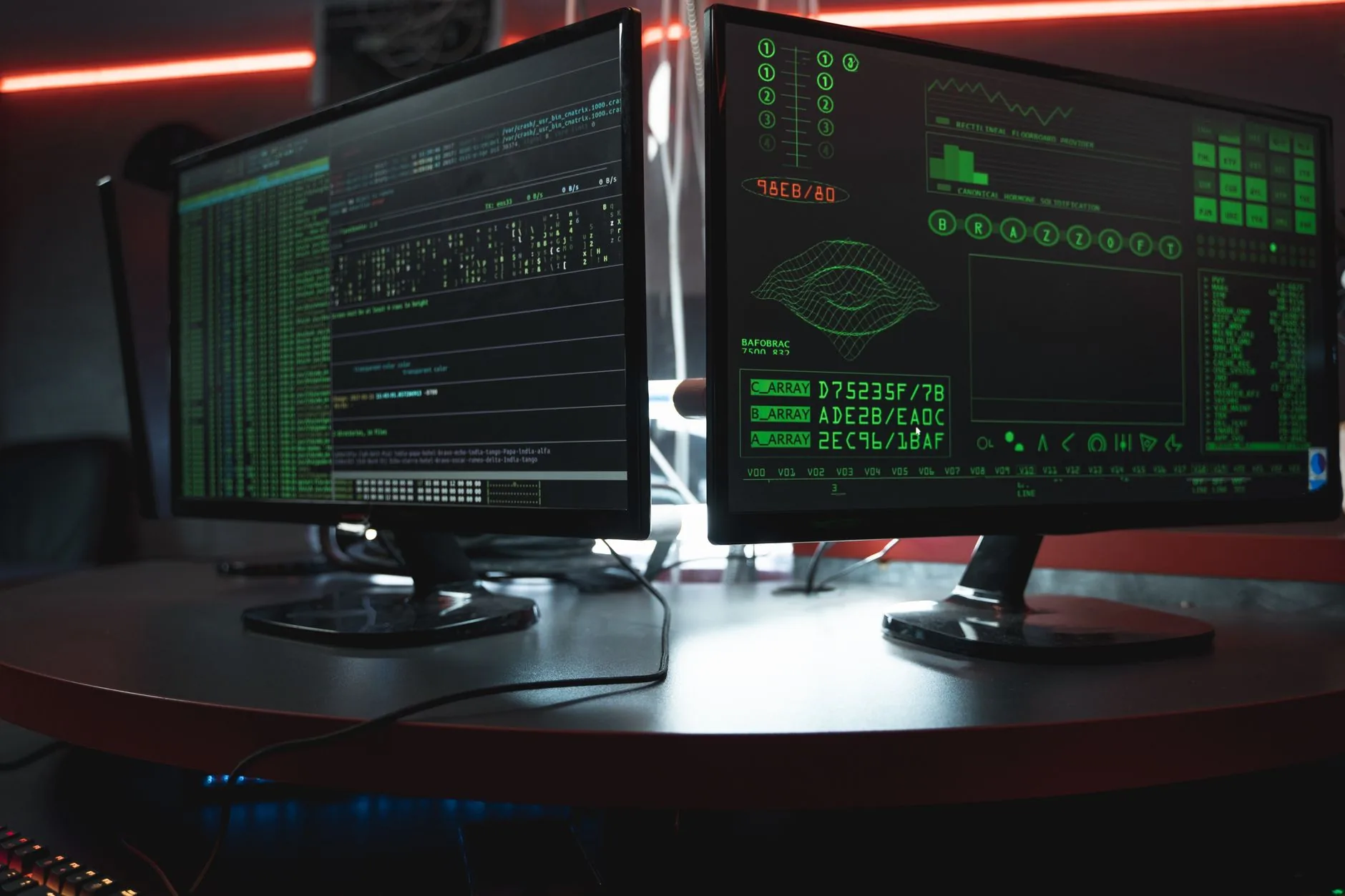
Os SOCs tradicionais operavam a partir de instalações dedicadas, com grandes painéis de vídeo exibindo dashboards de segurança, fileiras de estações de trabalho de analistas e uma atmosfera de comando que lembrava centros de operações militares. Muitos desses SOCs físicos ainda existem, particularmente em governos, forças armadas e grandes instituições financeiras, onde o ambiente físico reforça a disciplina operacional e facilita a comunicação cara a cara durante incidentes de grande porte.
A mudança em direção aos SOCs virtuais acelerou durante 2020 e tornou-se permanente para muitas organizações. Um SOC virtual opera inteiramente por meio de ferramentas baseadas em nuvem — Microsoft Sentinel, Splunk Cloud, CrowdStrike Falcon — acessíveis de qualquer local com acesso de rede apropriado. Os analistas trabalham remotamente, comunicando-se por meio de canais do Slack ou do Teams e de plataformas de gerenciamento de incidentes, em vez da proximidade física.
Ambos os modelos têm vantagens e desvantagens. Os SOCs físicos proporcionam melhor consciência situacional durante incidentes de grande porte, facilitam a mentoria de analistas juniores e oferecem uma separação entre vida profissional e pessoal que os analistas apreciam. Os SOCs virtuais oferecem acesso a um conjunto mais amplo de talentos não restrito pela geografia, custos de instalação mais baixos e uma flexibilidade que melhora a retenção. Muitas organizações agora operam um modelo híbrido, com uma instalação física para as operações de Tier 3 e o comando de incidentes, complementada por analistas remotos que cuidam do monitoramento e da triagem de rotina.
Medindo a Eficácia do SOC
A medição da eficácia deve estar atrelada a resultados, e não à atividade. Um SOC que processa 50.000 alertas por dia não é necessariamente mais eficaz do que um que processa 5.000 — a diferença pode refletir regras de detecção amplas demais, um ambiente com mais ruído ou uma falha em implementar a automação SOAR. As métricas que mais importam são aquelas que acompanham com que rapidez e completude o SOC identifica e contém ameaças reais.
O tempo médio de detecção mede o tempo médio entre o momento em que uma ameaça aparece pela primeira vez no ambiente e o momento em que o SOC a identifica como uma ameaça genuína. O tempo médio de resposta mede o tempo médio entre a detecção e a contenção. Juntas, essas métricas definem a janela de oportunidade que um atacante tem para atingir seus objetivos. SOCs de ponta visam um MTTD inferior a uma hora e um MTTR inferior a quatro horas para incidentes críticos.
A cobertura do SOC sobre o framework MITRE ATT&CK fornece outra medida de eficácia. Ao mapear as regras de detecção atuais para as técnicas do ATT&CK, o SOC pode identificar lacunas onde não tem capacidade de detecção para técnicas adversárias conhecidas. Fechar essas lacunas de forma sistemática — em vez de adicionar regras de detecção reativamente em resposta a incidentes — é a marca registrada de uma operação de segurança madura.
Referências
- NIST SP 800-61 Rev. 2 — Computer Security Incident Handling Guide — guia de referência do NIST sobre tratamento de incidentes de segurança, base para os processos de resposta de um SOC.
- MITRE ATT&CK Framework — base de conhecimento globalmente utilizada por SOCs para mapear táticas e técnicas de adversários e avaliar a cobertura de detecção.
- SANS Institute — Cybersecurity Resources — referência em treinamento e certificação para analistas e engenheiros de SOC em todos os níveis.