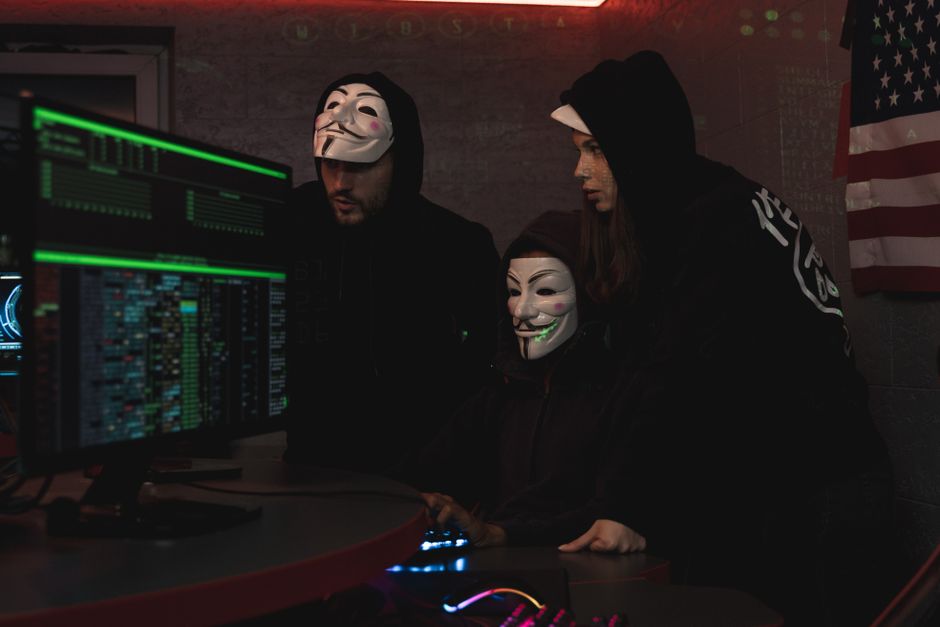
Um security operations center é o centro nervoso da defesa cibernética de uma organização — o lugar onde analistas dedicados monitoram redes, sistemas e aplicações em busca de sinais de intrusão, coordenam a resposta a incidentes em tempo real e trabalham continuamente para fortalecer as defesas antes que o próximo ataque chegue. Apesar dos bilhões gastos anualmente em tecnologia de segurança, o próprio SOC — as pessoas, os processos e o rigor operacional que ligam tudo isso — continua sendo o investimento de segurança mais consequente que uma organização pode fazer.
O SOC Explicado de Forma Abrangente
Entender a tecnologia de um security operations center começa com uma pergunta enganosamente simples: alguém está nos atacando agora e, em caso afirmativo, o que estamos fazendo a respeito? Responder a essa pergunta em escala corporativa exige o monitoramento contínuo de milhões de eventos por dia em milhares de sistemas. O SOC fornece a estrutura — pessoal, tecnologia e processos — necessária para transformar dados brutos de segurança em defesa acionável.
Três funções definem todo SOC, independentemente de tamanho ou setor. O monitoramento é a vigilância contínua da telemetria de segurança para identificar anomalias e ameaças potenciais. A detecção é o processo de distinguir ameaças reais de atividade benigna, usando regras de correlação, análise comportamental e threat intelligence. A resposta é a ação coordenada tomada para conter, investigar e remediar incidentes de segurança confirmados.
Essas três funções formam um ciclo contínuo. O monitoramento gera alertas. A detecção filtra e prioriza esses alertas. As ações de resposta criam novos requisitos de monitoramento para verificar a contenção e prevenir a recorrência. Um SOC que executa as três de forma eficaz reduz o tempo que os atacantes têm para operar dentro da rede, limitando os danos e os custos de recuperação.
Fluxo de Trabalho Diário no SOC
Um SOC em funcionamento opera o tempo todo, com analistas trabalhando em turnos que cobrem todas as horas. O modelo padrão usa três turnos — manhã, tarde e madrugada — com períodos de sobreposição para os repasses entre as equipes. Cada turno conta com analistas em múltiplos níveis, com o Tier 1 fazendo a triagem inicial de alertas, o Tier 2 conduzindo investigações mais profundas e o Tier 3 gerenciando incidentes complexos e o threat hunting proativo.
O trabalho começa com a plataforma SIEM, que agrega logs e eventos de toda a infraestrutura tecnológica da organização. Firewalls, sistemas de detecção de intrusão, plataformas de proteção de endpoint, gateways de e-mail, Active Directory, serviços de nuvem — cada um gera telemetria que flui para o SIEM. As regras de correlação analisam essa telemetria em busca de padrões associados a técnicas de ataque conhecidas: um usuário fazendo login de um local geográfico incomum, um processo sendo executado a partir de um diretório temporário, um volume incomum de dados sendo transferido para um servidor externo. Reduzir o ruído gerado por essas regras exige tuning de SIEM bem feito para priorizar ameaças reais.
Quando uma regra de correlação dispara, ela gera um alerta na fila do analista. O analista revisa o contexto do alerta — o que o acionou, quais sistemas estão envolvidos, se alertas semelhantes apareceram recentemente — e faz uma determinação inicial. A maioria dos alertas são falsos positivos: atividade benigna que correspondeu a uma regra de detecção porque a regra é ampla demais ou porque o ambiente tem características únicas que a regra não levou em conta. O analista documenta a determinação e ajusta a regra, se apropriado. Ameaças genuínas são escaladas para investigação.
Tipos de Security Operations Centers
As organizações frequentemente perguntam qual capacidade um security operations center oferece antes de comprometer recursos. Nem todos os SOCs são construídos da mesma forma. As variações mais comuns refletem diferenças de escopo, propriedade e especialização. Um SOC interno ou corporativo é construído e operado pela própria organização, oferecendo o maior controle sobre prioridades, processos e tratamento de dados. Eles são comuns em grandes empresas, instituições financeiras e órgãos governamentais que têm orçamento e quadro de pessoal para justificar uma operação dedicada.
Um SOC gerenciado, entregue por provedores como CrowdStrike Falcon Complete, Arctic Wolf ou Secureworks, terceiriza o monitoramento e a resposta para um terceiro. Esse modelo é adequado para organizações de médio porte que não podem arcar com uma equipe interna, mas ainda precisam de cobertura 24/7. Um SOC virtual opera sem uma instalação física dedicada, com analistas trabalhando remotamente usando ferramentas baseadas em nuvem. Esse modelo cresceu rapidamente à medida que as plataformas SIEM migraram para a nuvem e o trabalho remoto se tornou padrão. Para entender as distinções entre esses modelos e suas siglas específicas, vale consultar o guia sobre SOC vs CSOC vs GSOC vs JSOC.
Um GSOC (Global Security Operations Center) estende o modelo de SOC por toda a presença internacional de uma organização, centralizando o monitoramento e a resposta em vários países e fusos horários. Um CSOC (Cyber Security Operations Center) às vezes é usado de forma intercambiável com SOC, mas também pode se referir a um SOC operado por uma entidade governamental ou militar. Um JSOC (Joint Security Operations Center) normalmente se refere a uma operação colaborativa em que múltiplos órgãos ou unidades de negócio compartilham uma única instalação de monitoramento de segurança.
Justificativa de Negócio para um SOC
A justificativa financeira para um SOC repousa na redução de risco. O Cost of a Data Breach Report da IBM mostra consistentemente que organizações com automação de segurança e equipes dedicadas de resposta detectam e contêm violações mais rapidamente, reduzindo os custos totais em centenas de milhares a milhões de dólares por incidente. O tempo médio para identificar uma violação sem um SOC é de aproximadamente 200 dias. Com um SOC maduro, esse número cai para menos de 100 dias e, em operações avançadas, a detecção pode ocorrer em horas ou minutos.
Além de evitar o custo de violações, um SOC dá suporte a obrigações de conformidade que têm suas próprias consequências financeiras. Regulamentações como PCI DSS, HIPAA, SOX e GDPR exigem monitoramento contínuo, capacidade de resposta a incidentes e trilhas de auditoria — todas funções que um SOC fornece. Organizações sujeitas a essas regulamentações que não mantêm monitoramento adequado enfrentam multas, responsabilidade legal e danos à reputação que podem exceder muitas vezes o custo de operar um SOC.
O seguro é outro fator. Os prêmios de seguro cibernético refletem cada vez mais a sofisticação das operações de segurança de uma organização. Empresas com um SOC em funcionamento, planos documentados de resposta a incidentes e métricas de detecção mensuráveis conseguem consistentemente prêmios mais baixos do que aquelas que não os têm. Para algumas seguradoras, um SOC é, na prática, um pré-requisito para cobertura acima dos limites básicos.
Comparativo de Modelos de SOC
| Modelo | Custo Típico | Melhor Para |
|---|---|---|
| SOC Interno | US$ 2M–US$ 12M/ano | Grandes empresas, setores regulados |
| SOC Gerenciado (MDR) | US$ 150K–US$ 1M/ano | Médio porte, equipe de segurança limitada |
| SOC Virtual | US$ 500K–US$ 4M/ano | Organizações remote-first |
| SOC Híbrido | US$ 1M–US$ 6M/ano | Organizações que estão escalando a partir de MDR |
A tabela acima mostra que o investimento varia drasticamente conforme o modelo escolhido. Organizações que estão começando frequentemente optam por um SOC gerenciado para ganhar maturidade operacional sem o custo fixo de uma equipe interna completa. À medida que o volume de alertas e a complexidade do ambiente aumentam, a transição para um modelo híbrido ou interno torna-se financeiramente viável.
Desafios na Operação de um SOC
O quadro de pessoal é o desafio persistente. A escassez global de mão de obra em cibersegurança, documentada anualmente pela ISC2, ultrapassa 3 milhões de profissionais. As funções de analista de SOC estão entre as mais difíceis de preencher porque o trabalho é exigente, os horários são difíceis e os analistas experientes são fortemente assediados por empregadores concorrentes. O burnout é um problema reconhecido — analistas que passam meses fazendo a triagem de milhares de alertas falsos positivos muitas vezes saem para funções com mais variedade e menos monotonia. Entender as causas e soluções para o burnout em equipes de SOC é essencial para reter talento.
A fadiga de alertas agrava o problema de pessoal. Um SOC corporativo típico recebe de 10.000 a 50.000 alertas por dia. Sem uma triagem automatizada eficaz, os analistas não conseguem separar ameaças genuínas do ruído, e incidentes reais passam despercebidos. As plataformas SOAR e a detecção aprimorada por machine learning ajudam, mas exigem ajuste contínuo e investimento em recursos de engenharia de segurança.
A proliferação de ferramentas adiciona complexidade. A empresa média implanta de 30 a 70 ferramentas de segurança distintas, muitas das quais não se integram de forma fluida. Manter a visibilidade em conjuntos de ferramentas fragmentados, garantir a aplicação consistente de políticas e treinar analistas em múltiplas plataformas — tudo isso consome recursos que poderiam, de outra forma, ser direcionados à detecção e à resposta.
Necessidade de Capacidade de SOC
A questão para a maioria das organizações não é se elas precisam de capacidade de SOC, mas como obtê-la. Grandes empresas com orçamentos substanciais de segurança constroem SOCs internos. Organizações de médio porte recorrem cada vez mais a provedores de managed detection and response. Pequenas empresas podem contar com uma combinação de serviços gerenciados e operações de TI conscientes de segurança. A implementação específica varia, mas o requisito subjacente — monitoramento, detecção e resposta contínuos — não muda.
O ambiente de ameaças atual fornece a justificativa definitiva. Os operadores de ransomware continuam a aprimorar suas táticas, passando de ataques oportunistas a campanhas direcionadas contra setores e organizações específicos. Comprometimentos da cadeia de suprimentos, como demonstrado pelos incidentes da SolarWinds e do MOVEit, podem afetar milhares de organizações a jusante simultaneamente. Atores de Estado-nação conduzem campanhas persistentes contra infraestrutura crítica, empresas de tecnologia e órgãos governamentais. Nesse ambiente, operar sem monitoramento de segurança dedicado não é um risco calculado — é um risco não calculado.