A Sala Onde Tudo Acontece
Uma definição de security operations center, em seu sentido mais direto, descreve uma unidade organizacional centralizada onde uma equipe treinada de segurança da informação monitora, detecta, investiga e responde continuamente a ameaças cibernéticas que visam a infraestrutura tecnológica de uma empresa e todos os seus ativos digitais, 24 horas por dia.
Por Que o SOC Existe
Toda grande organização agora enfrenta um volume e uma sofisticação de ameaças cibernéticas que excedem em muito o que administradores de rede individuais conseguem acompanhar sozinhos. O SOC nasceu de uma necessidade operacional: uma instalação dedicada, com uma equipe de analistas treinados, construída com o propósito de manter a consciência contínua da postura de segurança de uma organização. O modelo migrou da inteligência de sinais militar para a empresa civil no final da década de 1990, quando o comércio conectado à internet expôs bancos, concessionárias de serviços públicos e agências governamentais a ataques remotos pela primeira vez.
Em sua essência, o SOC existe porque detecção sem coordenação é indistinguível de ruído. Os firewalls geram milhões de entradas de log por dia. As plataformas de proteção de endpoints sinalizam milhares de anomalias comportamentais. Sem uma equipe triando, correlacionando e escalonando esses sinais, as organizações permanecem vulneráveis apesar de seu investimento em tecnologia defensiva. O SOC converte telemetria bruta em inteligência acionável e, em última análise, em decisões que reduzem o risco.
Componentes Centrais
Um security operations center funcional se apoia em quatro pilares interdependentes: pessoas, processos, tecnologia e inteligência.
Pessoas
Os analistas normalmente são organizados em níveis. Os analistas de Tier 1 monitoram as filas de alertas e realizam a triagem inicial. Os analistas de Tier 2 investigam incidentes escalonados, correlacionam dados entre fontes e determinam o escopo. Os analistas de Tier 3 lidam com threat hunting avançado, engenharia reversa de malware e o desenvolvimento de regras de detecção customizadas. Os gerentes de SOC coordenam a equipe, o treinamento e as linhas de reporte para o chief information security officer.
Processos
- Playbooks de resposta a incidentes que definem ações passo a passo para cenários comuns de ameaça, como ransomware, phishing e comprometimento de credenciais.
- Procedimentos de triagem e escalonamento que determinam com que rapidez um alerta passa da revisão inicial para a investigação ativa.
- Protocolos de gestão de mudanças que governam como as regras de detecção e as configurações de monitoramento são atualizadas sem interromper as operações.
- Frameworks de relatórios e métricas que acompanham o tempo médio de detecção, o tempo médio de resposta e as tendências do volume de alertas.
Tecnologia
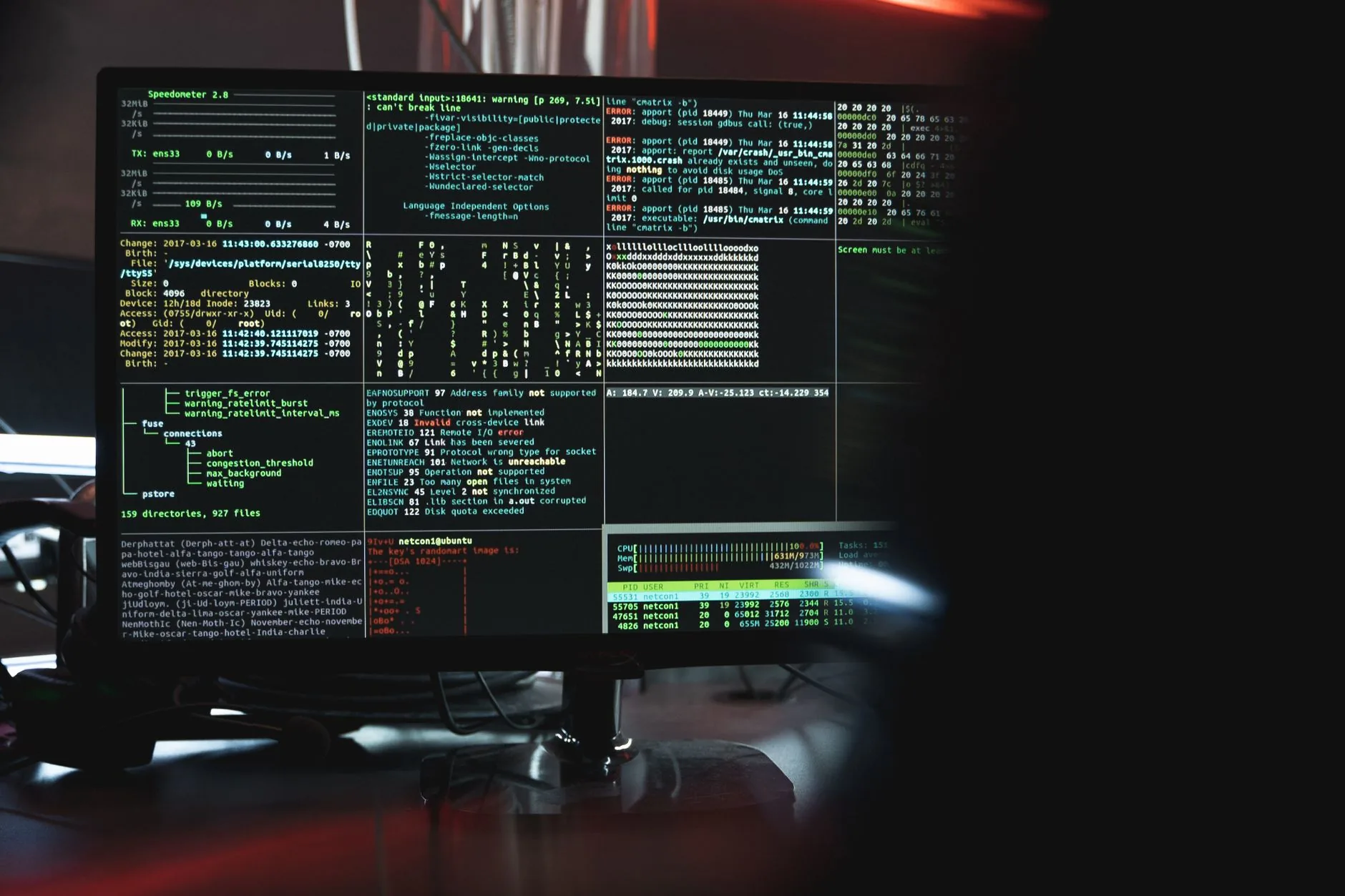
A espinha dorsal tecnológica de um SOC normalmente inclui uma plataforma de security information and event management, frequentemente abreviada como SIEM, que agrega e correlaciona dados de log de toda a empresa. Ferramentas adicionais incluem agentes de endpoint detection and response implantados em estações de trabalho e servidores, appliances de network detection and response que inspecionam os fluxos de tráfego, scanners de vulnerabilidade e plataformas de orquestração que automatizam tarefas repetitivas de resposta.
Inteligência
Os feeds de threat intelligence, sejam provenientes de provedores comerciais, de consórcios de compartilhamento de informações como os ISACs ou da telemetria interna, fornecem o contexto que transforma um alerta bruto em um indicador de comprometimento significativo. Um SOC que ingere e aplica inteligência estruturada pode priorizar alertas com mais precisão e detectar ameaças inéditas mais cedo no ciclo de vida do ataque.
Dentro do Piso de Operações
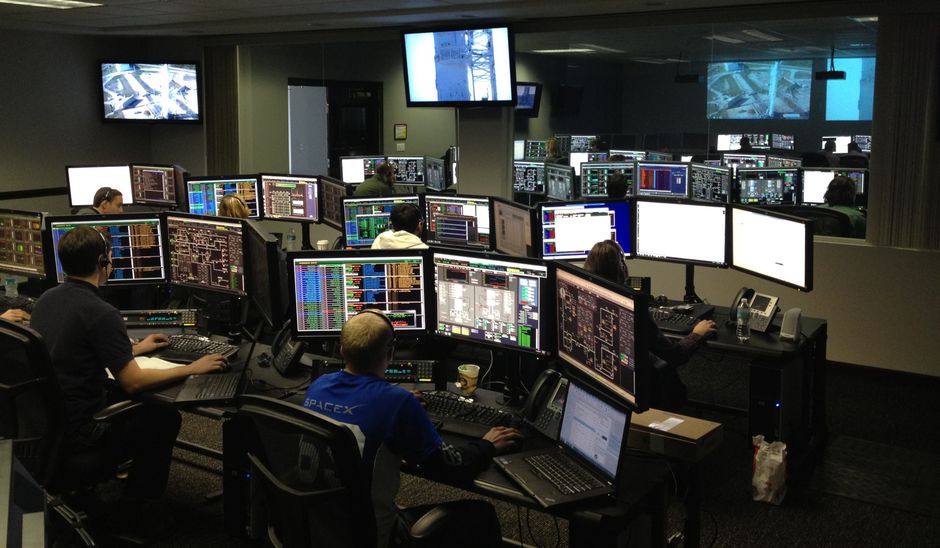
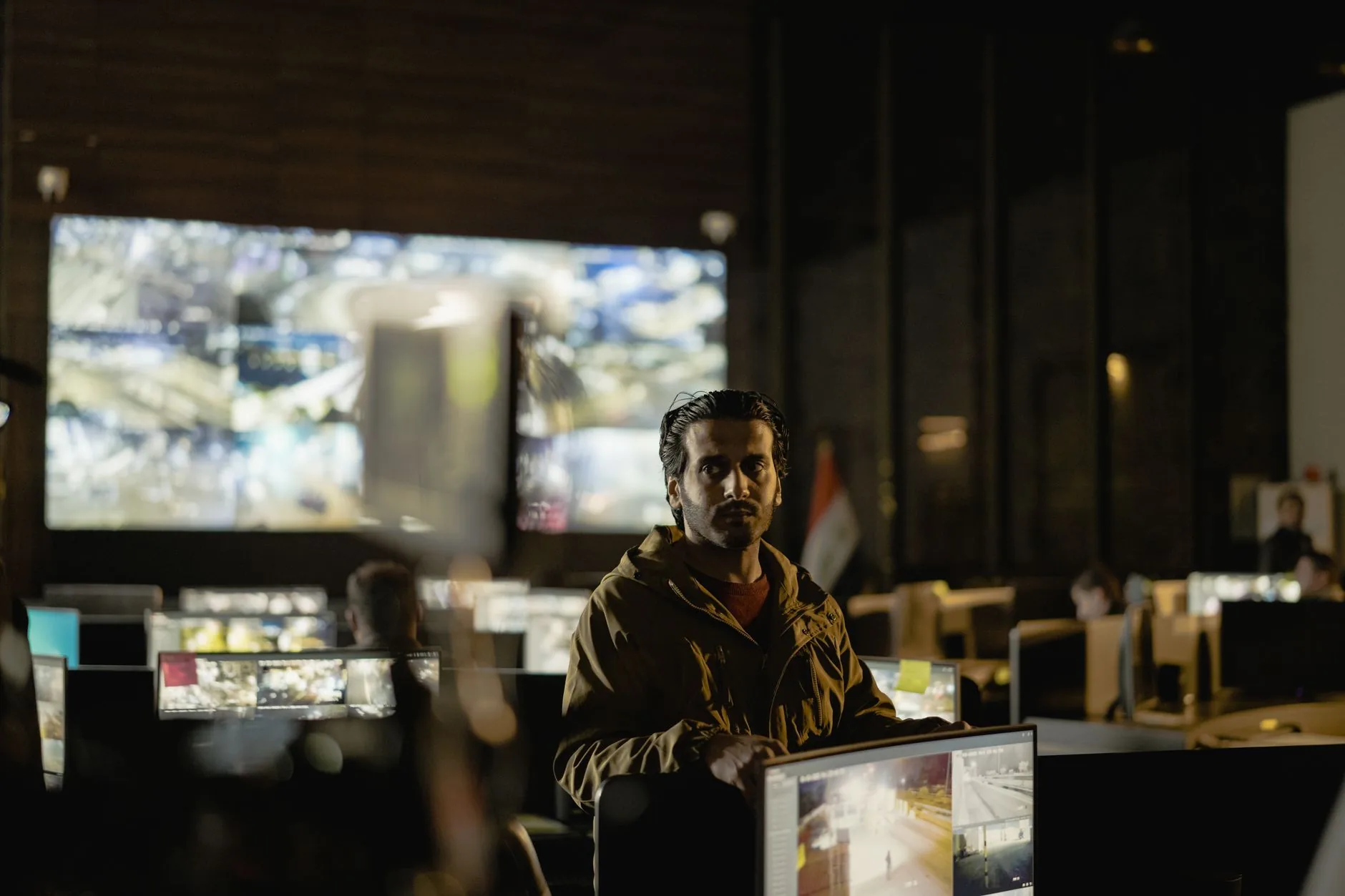
Um SOC físico frequentemente lembra um centro de comando: telas montadas na parede mostrando mapas de ameaças e dashboards em tempo real, analistas sentados em estações de trabalho de múltiplos monitores e um líder de turno coordenando as passagens entre equipes que se revezam. Muitos SOCs modernos passaram para modelos híbridos ou totalmente remotos, com analistas conectando-se a plataformas de monitoramento compartilhadas a partir de locais distribuídos. Independentemente do arranjo físico, o ritmo operacional permanece constante: os turnos normalmente são estruturados em rotações de oito ou doze horas para manter a cobertura 24 horas por dia.
O fluxo de trabalho diário começa com uma reunião de passagem de turno, durante a qual os analistas que estão saindo resumem os incidentes em aberto, os escalonamentos pendentes e quaisquer anomalias que exijam monitoramento contínuo. Ao longo do turno, os analistas trabalham nos alertas enfileirados, atualizam os registros de casos, coordenam-se com as equipes de operações de TI quando as ações de contenção afetam os sistemas de produção e documentam descobertas para a revisão pós-incidente.
Organizações Que Dependem de SOCs
As instituições financeiras estiveram entre as primeiras e mais agressivas adotantes do modelo de SOC, impulsionadas por requisitos regulatórios e pelas consequências financeiras diretas de fraude e roubo de dados. As organizações de saúde seguiram à medida que a digitalização dos prontuários dos pacientes ampliou a superfície de ataque. Operadores de infraestrutura crítica, incluindo concessionárias de energia e autoridades de transporte, operam SOCs sob mandatos governamentais em muitas jurisdições. Empresas de tecnologia, particularmente aquelas que hospedam plataformas de nuvem multitenant, mantêm SOCs dimensionados para monitorar milhões de ambientes de clientes simultaneamente.
Agências governamentais operam SOCs em múltiplos níveis de classificação, frequentemente coordenados por centros nacionais de cibersegurança. Nos Estados Unidos, a Cybersecurity and Infrastructure Security Agency, conhecida como CISA, funciona como um SOC de nível federal, coordenando informações de ameaças entre as redes do governo civil. Órgãos semelhantes existem no Reino Unido, na União Europeia, na Austrália e em outros lugares.
Variantes de SOC Comparadas
Nem todos os security operations centers são idênticos. Na última década, o modelo se diversificou em variantes especializadas, cada uma adaptada a um ambiente operacional ou cenário de ameaça distinto. A tabela abaixo compara os quatro tipos mais amplamente reconhecidos.
| Atributo | CSOC | GSOC | JSOC | VSOC |
| Nome completo | Cyber Security Operations Center | Global Security Operations Center | Joint Security Operations Center | Virtual Security Operations Center |
| Escopo principal | Monitoramento de ameaças cibernéticas e resposta a incidentes | Segurança cibernética e física em sites internacionais | Monitoramento colaborativo multiagência ou multitenant | Monitoramento remoto, entregue via nuvem, sem instalação física |
| Operadores típicos | Empresas, managed security service providers | Corporações multinacionais, contratantes de defesa | Coalizões governamentais, consórcios de infraestrutura crítica | Equipes distribuídas, pequenas e médias empresas |
| Presença física | Instalação dedicada | Instalação dedicada, frequentemente com video walls | Instalação compartilhada ou federada | Sem espaço físico dedicado |
| Vantagem principal | Especialização cibernética profunda | Visão unificada de risco cibernético e físico | Compartilhamento de inteligência entre organizações | Menor custo de capital e flexibilidade geográfica |
O CSOC continua sendo a variante mais comum, focando-se exclusivamente em ameaças digitais. O GSOC amplia o mandato para incluir o monitoramento de segurança física, como controle de acesso a prédios e videovigilância, ao lado das operações cibernéticas. O modelo JSOC, às vezes chamado de fusion center, reúne analistas de diferentes organizações ou agências governamentais para compartilhar threat intelligence em tempo real. O VSOC representa a evolução mais recente: um modelo totalmente distribuído em que os analistas acessam ferramentas compartilhadas por meio de plataformas de nuvem, eliminando a necessidade de um piso de operações físico dedicado.
Medindo o Que Importa
Os líderes de segurança avaliam a eficácia do SOC por meio de um conjunto de métricas operacionais que se tornaram amplamente padronizadas no setor. O tempo médio de detecção, ou MTTD, mede o intervalo entre o momento em que uma ameaça gera pela primeira vez um sinal detectável e o momento em que um analista o reconhece. O tempo médio de resposta, ou MTTR, acompanha quanto tempo leva para conter ou remediar um incidente confirmado uma vez detectado. Ambas as métricas são influenciadas pelos níveis de equipe, pela maturidade das ferramentas e pela qualidade das regras de detecção.
Além das métricas de velocidade, as organizações acompanham o volume de alertas e a precisão da classificação. Um SOC que gera um alto volume de falsos positivos corre o risco de fadiga dos analistas e de ameaças genuínas passarem despercebidas, um problema que o setor chama de sobrecarga de alertas. Por outro lado, um SOC com pouquíssimos alertas pode ter lacunas de visibilidade. As operações mais maduras buscam uma razão equilibrada, investindo continuamente no ajuste da lógica de detecção para revelar alertas de alta fidelidade que justifiquem a investigação humana.
A retenção de analistas é uma métrica cada vez mais importante. A escassez de força de trabalho em cibersegurança, documentada anualmente por organizações como a ISC2, impõe uma pressão sustentada sobre as equipes de SOC. A alta rotatividade degrada o conhecimento institucional, perturba as escalas de turno e aumenta os custos de treinamento. Organizações que investem em desenvolvimento de carreira, programas de rotação e fluxos de trabalho assistidos por automação tendem a reter os analistas por mais tempo e a manter um desempenho operacional mais consistente.
O Caminho à Frente
O security operations center continua a evoluir em resposta a três pressões convergentes: a proliferação de infraestrutura cloud-native, a adoção de automação e machine learning nos fluxos de detecção e a persistente escassez de analistas qualificados. Provedores de managed detection and response estão absorvendo as funções de SOC para organizações que não têm os recursos para construir e equipar suas próprias instalações. Simultaneamente, as maiores empresas estão integrando os SOCs em centros de operações de risco mais amplos, que combinam cibersegurança, segurança física, prevenção de fraudes e continuidade de negócios sob uma única estrutura de comando.
O propósito fundamental, no entanto, permanece inalterado. Um SOC existe para enxergar o que uma organização não pode se dar ao luxo de perder. Seja com dez analistas em uma sala de servidores convertida ou com centenas distribuídos por continentes, seu valor está na conversão de dados brutos em ação oportuna e decisiva.
Fontes
- NIST Cybersecurity Framework — o framework do National Institute of Standards and Technology dos Estados Unidos que fornece orientação de políticas e procedimentos para melhorar a cibersegurança da infraestrutura crítica.
- SANS Institute SOC Training — currículo de desenvolvimento profissional cobrindo habilidades de analista de SOC, metodologia de tratamento de incidentes e engenharia de detecção.
- CISA Cybersecurity Best Practices — o portal de recursos da Cybersecurity and Infrastructure Security Agency para diretrizes operacionais, alertas de ameaças e frameworks de coordenação de resposta a incidentes.